Water Extraction in Lynwood, CA
Water on carpet, laminate or concrete moves into pad, baseboards and wall bottoms quickly. The extraction crew pulls it out with commercial equipment and maps whatever stayed wet.
(888) 563-9619Ask about pulling the water out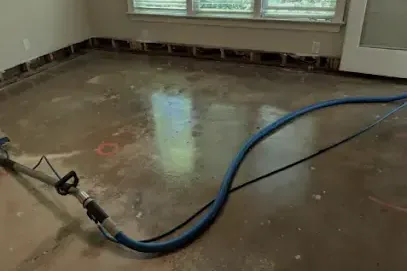
First steps for water extraction and removal
A few minutes of the right moves protect the structure and the claim before the equipment arrives.
- Stop the source. Close the fixture valve or main shutoff, then switch off wet-room breakers from a dry spot.
- Lift what you can. Move small furniture, rugs and electronics to dry ground.
- Skip the household vacuum. Standard vacuums are not made for water and can shock the user.
- Photograph first. Record wet floors and the waterline on walls before anything is thrown out.
How water extraction and removal is handled
Lynwood has 15,896 housing units, about 9,615 of them detached single-family homes, so extraction calls come from owners and renters alike. The crew treats each loss as a moisture problem first and a cleanup second.
Rapid local response
24/7 dispatch treats active water as urgent at any hour, weekends and holidays included.
IICRC S500 drying standard
Structural drying, not surface drying: air movers and LGR dehumidifiers sized to the class of loss.
Claim-ready documentation
Moisture maps, daily psychrometric logs and timestamped photos taken before anything is removed.
Slab-home know-how
Copper under the slab, garage water heaters, attic air handlers and two-story bathrooms lead the local list.
What does water extraction and removal cost in Lynwood, CA?
Extraction cost follows the rooms wet and the type of water. One clean-water room sits in the first card, several rooms in the second and a whole floor or gray water in the third.
One room
- Carpet and pad extraction
- Air movers and a dehumidifier
- Daily readings
Several rooms
- Truck-mounted extraction
- Baseboards off, walls dried
- Containment as needed
Whole floor or gray water
- Pad removed and replaced
- Antimicrobial on surfaces
- Extended monitoring
Ranges are typical, not a quote: water category, square footage, material class and how fast drying started move the number most. Run the water damage cost calculator for a closer range. Coverage depends on your policy, so check with your own insurer.
The water extraction and removal process, step by step
The tech who does the walkthrough maps moisture before any equipment goes down, and the equipment stays until the readings say dry.
Test the water
The source and category are identified so protection and equipment match.
Extract
Truck-mounted and portable units pull standing water from carpet, pad and hard floors.
Map the moisture
Meters mark wet baseboards, walls and subfloors that extraction alone cannot dry.
Start drying
Air movers and a dehumidifier go in, with readings each visit.
What to know about water extraction and removal
Pulling water from carpet, pad and hard floors
- Truck-mounted units lift water from wide carpeted areas, while portable extractors handle closets, stairs and tight corners.
- Carpet pad is lifted and checked, since it holds water much longer than the carpet above it.
- Wood-look and tile floors get suction wands and squeegees that clear seams, thresholds and door tracks.
- Rugs, boxes and low furniture are lifted onto blocks so the surface underneath can be reached.
Sewage or heavily contaminated water changes the plan, so the source is identified before any equipment is chosen.
Renters, owners and shared floors
About 8,160 homes are renter-occupied and 7,223 owner-occupied, so tenants, landlords and property managers often share the job of reporting a loss. Water that crosses a shared floor is mapped into the next unit too, with the neighbor's permission.
What happens after the water is out
Extraction is only the first half of the work. Air movers and dehumidifiers follow as structural drying while meters track each material until readings match dry reference points, and the file records every visit for the insurance claim.
Water extraction and removal coverage around Lynwood
Extraction runs along Imperial Highway, Long Beach Boulevard and Atlantic Avenue, around Rose Park and Burke-Ham Park, and across the 90262 ZIP code, for houses, apartments and shops alike.
The same service nearby: water extraction and removal in Cerritos, Paramount, Bellflower.
Water Extraction and Removal questions in Lynwood, CA
Water still moving?
Shut the water off at the main if it is safe, stay clear of wet outlets, and take photos before anything moves.
(888) 563-9619 Ask about pulling the water outCan carpet be saved after extraction?
Often, when the water was clean and extraction began promptly. The pad usually comes out and gets replaced, while the carpet is lifted, dried and put back, and a moisture check confirms the subfloor is dry.
Why does extraction come before drying?
Air movers dry surfaces much more slowly than extractors pull liquid water. Removing the bulk of the water first shortens the drying period and protects the framing.
Does extraction work on concrete?
Yes. Concrete slabs are cleared with suction wands, then dried with air movers and dehumidifiers because the slab holds moisture that can move into wall bottoms.
What if the water came from a neighbor's unit?
Readings in both units show how far it traveled. The building manager or the other unit's carrier may be involved, so photos and logs help sort out the claim.
Is extraction enough for a small spill?
A small clean spill on tile may need only extraction and a quick check. Spills under carpet or along baseboards need readings, because wet pad can hide for days.
Pull the standing water before it settles in
The extraction crew can ask about the floor type and what is wet, and the first steps get mapped out for the home, apartment or shop.
(888) 563-9619Talk to the extraction crew