Water Damage Restoration Lynwood, CA
Burst pipes, failed water heaters and winter storm runoff all reach Lynwood homes. The drying team removes standing water, opens wet walls and logs readings until every material reads dry.
(888) 563-9619Book the dry-out for your homeOwners, renters and building managers all need the same thing after a leak: photos, readings and a written scope that an insurance carrier can follow.
Drying work built around older homes and shared walls
Much of the housing here dates from the 1940s through the 1960s, with apartments beside single-family blocks. Each dry-out accounts for framing age, shared walls and what the insurer needs.
Rapid local response
Dispatch runs around the clock, and the crew rolls out with extraction gear, meters and air movers sized for houses, duplexes and apartment units.
Equipment matched to the room
Drying capacity is calculated from room volume, material and water category, so a closet leak and a flooded hallway never get the same setup.
Claim-ready documentation
Photos before demolition, daily moisture readings and a written scope give the insurance carrier a clear record of what was wet and how it dried.
Local water know-how
The team knows how older plumbing, multi-unit buildings and winter storm runoff each leave a different pattern of wet materials behind.
Twelve water services for local homes and businesses
The same crew covers every loss type here, from a pinhole pipe leak to a sewage backup, and each service explains its scope and pricing.
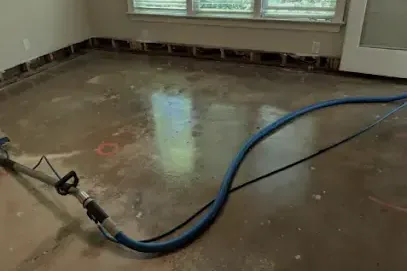 01Water Extraction and RemovalTruck-mounted and portable extractors pull standing water from carpet, pad and hard floors before it wicks into baseboards and framing.Service details
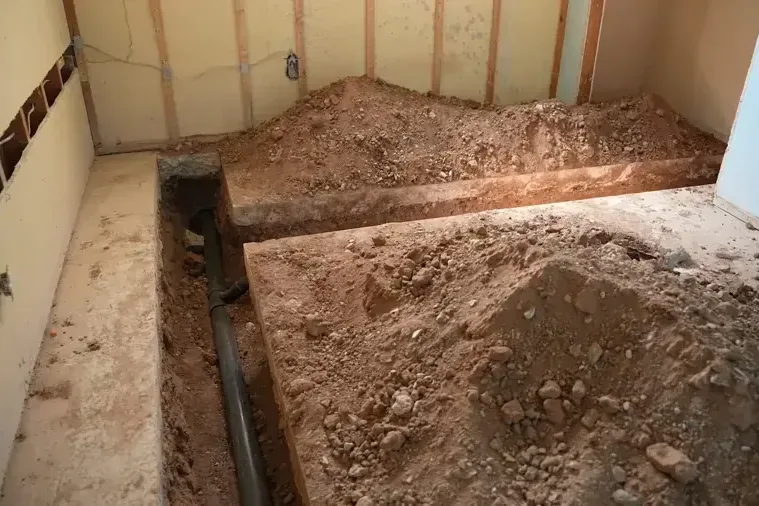 02Slab Leak Water DamageLeaks under a concrete floor are located electronically, then the wet flooring, baseboards and wall bottoms are dried in place or removed.Service details
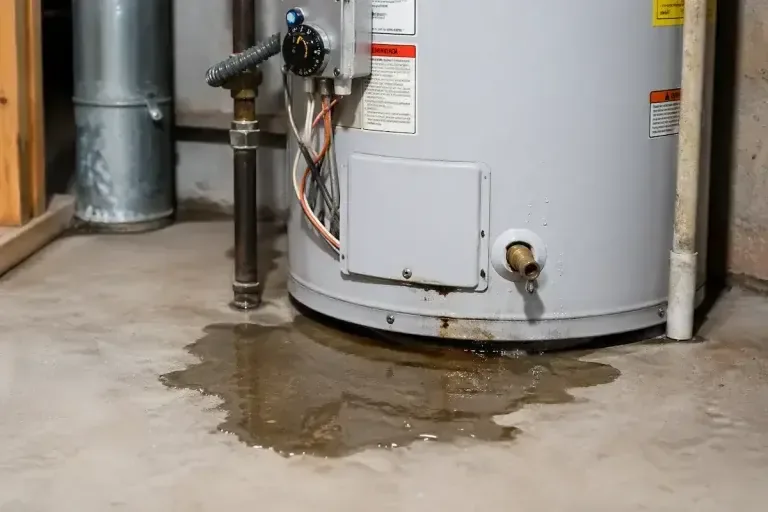 03Water Heater Leak CleanupA split tank or failed fitting floods a garage or closet. The crew extracts, moves contents and checks the shared wall.Service details
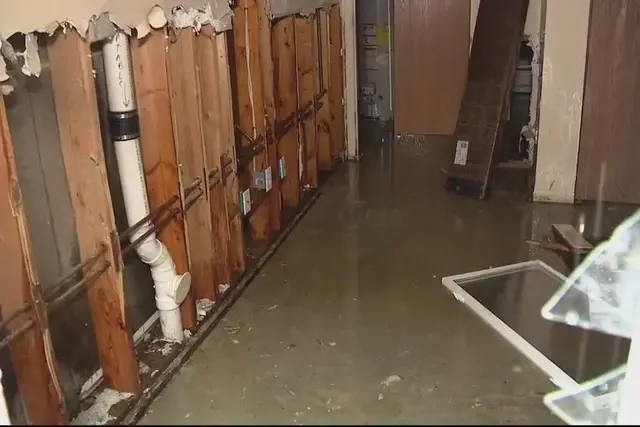 04Burst and Pinhole Pipe LeaksThermal scans and meters find the wet section after a burst or pinhole leak, so wall cuts stay small.Service details
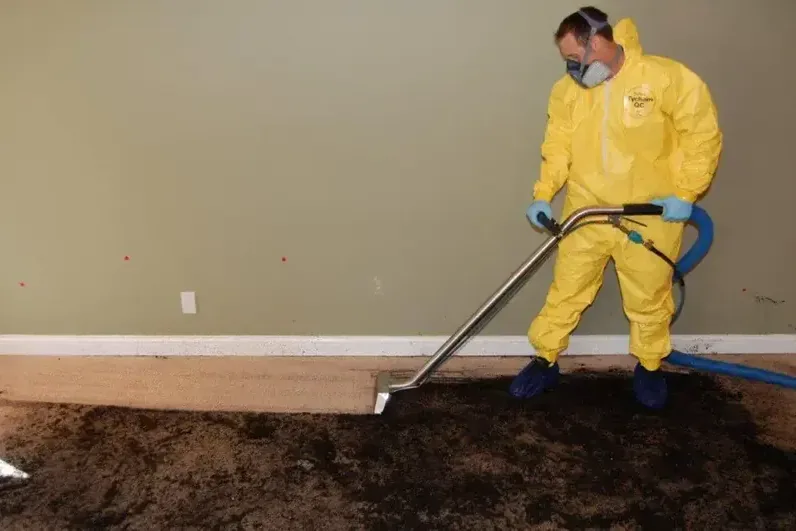 05Sewage Backup CleanupSewage is black water. The crew contains the area, removes porous materials, disinfects surfaces and dries the space.Service details
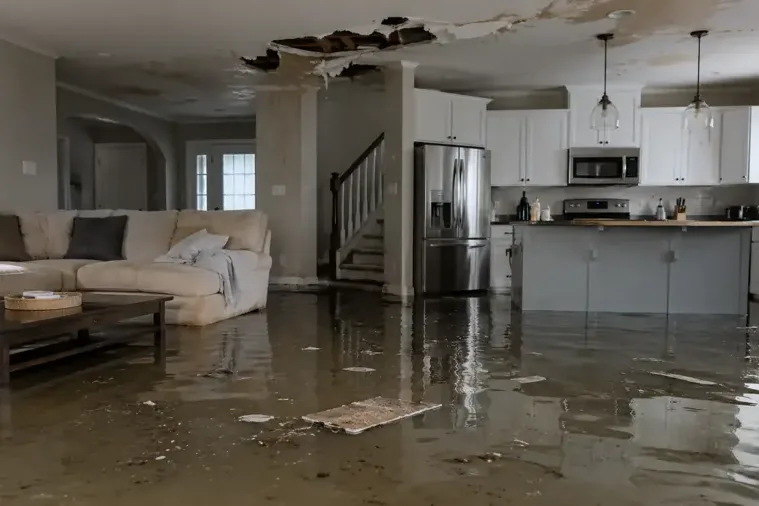 06Storm and Flash Flood CleanupRain and runoff entering a garage or ground floor are pumped out, soaked materials removed and the structure dried.Service details
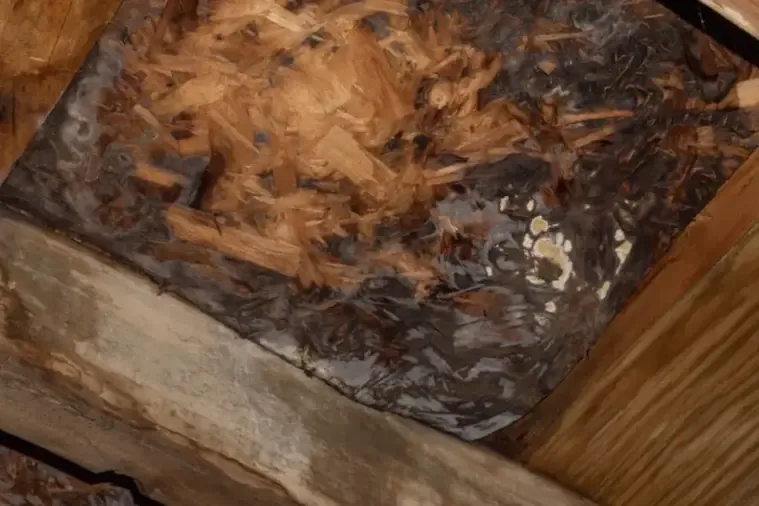 07Roof Leak Water DamageWater entering through damaged roofing soaks insulation and ceiling drywall. The team checks the attic and dries the ceilings below.Service details
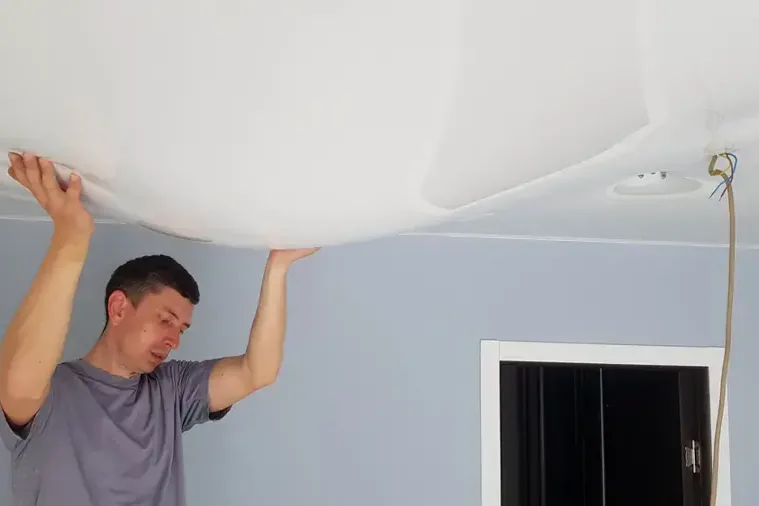 08Ceiling Leak Water DamageSagging or stained ceilings often hide trapped water. The team traces the source, opens the ceiling if needed and dries the joist bays.Service details
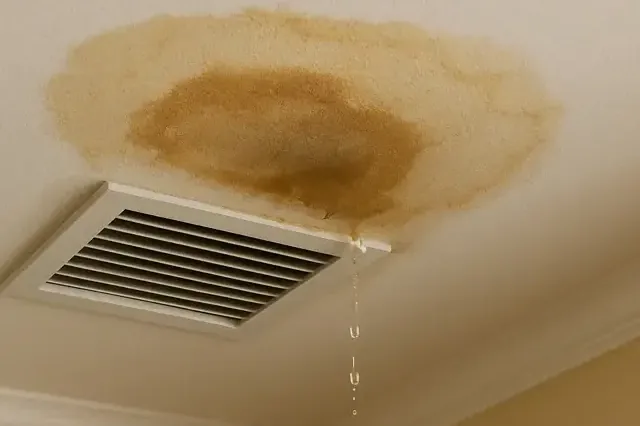 09AC Condensate Leak Water DamageA clogged condensate drain overflows into closets, attics and ceilings below, so wet insulation and drywall come out.Service details
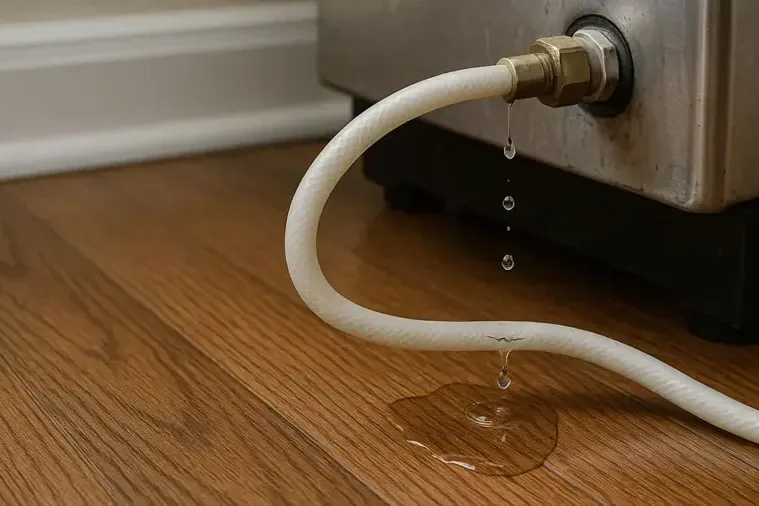 10Appliance and Supply Hose LeaksWasher hoses, dishwasher fittings and ice maker supply tubes leak slowly behind appliances, so floors and cabinet bases need readings.Service details
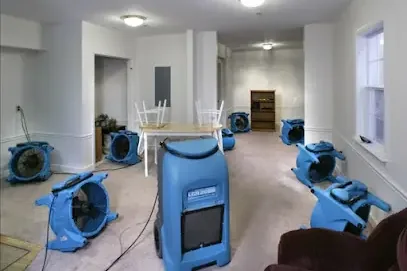 11Structural Drying and DehumidificationAir movers, low-grain dehumidifiers and daily readings take wet framing, subfloors and wall cavities back to dry standards.Service details
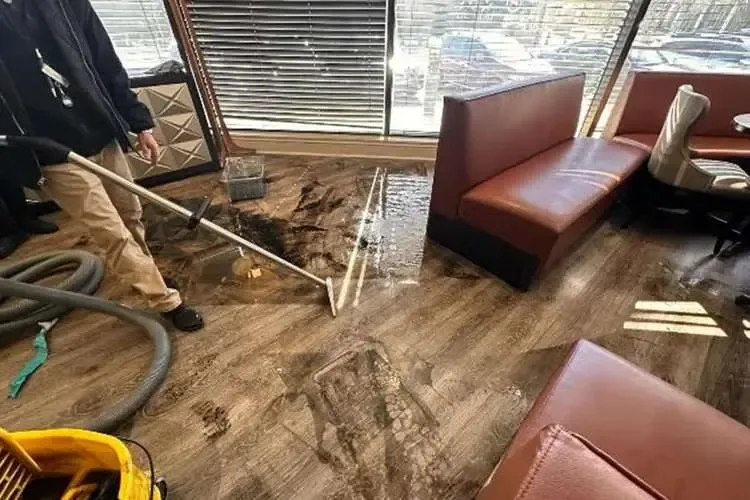 12Commercial Water DamageShops, restaurants, offices and apartment buildings get zoned containment, phased drying and options that limit tenant disruption.Service details
What to do right after water shows up
- Find the shutoff. Close the fixture valve or the home's main shutoff. Apartment residents who cannot find a shutoff should reach the building manager at once, since water travels to neighbors.
- Cut the power. If water reached outlets or a panel, switch off the breaker from a dry spot. Never wade through standing water near live electrical equipment.
- Record the damage. Photograph wet floors, stained ceilings and damaged belongings before anything moves, then shoot a slow video walkthrough and list each item.
- Lift and protect. Move small furniture, rugs and electronics onto dry ground. Slip foil or wood blocks under legs that must stay on wet carpet.
- Call a restoration crew. Water moves into pad, drywall and framing fast, so the dry-out should start before materials swell and mold can take hold.
A documented dry-out from first walkthrough to final reading
Every job follows the same sequence, so an owner, a landlord or an adjuster can see why each step happened and what the readings showed along the way.
Walk and map
The crew photographs every room, probes walls and floors with moisture meters and marks wet zones on a simple sketch before anything is cut.
Pull the water
Extractors lift standing water, and wet carpet pad comes out where it cannot dry, so equipment works on the structure instead of the puddle.
Dry and log
Air movers and dehumidifiers run while the team records temperature, humidity and moisture content each visit, adjusting equipment as materials dry.
Prove it dry
Readings on wet materials are compared with unaffected ones. Equipment leaves only when the numbers match, and the final log goes to the owner.
Three kinds of water, three levels of caution
Clean water
Supply pipe and fixture leaks start out clean. Quick extraction and drying usually save most flooring, drywall and cabinet bases.
Burst and pinhole pipe leaksGray water
Washers, dishwashers and overflowing tubs carry soap and bacteria. Porous materials are cleaned or discarded depending on contact time.
Appliance and hose leaksBlack water
Sewage and floodwater carry pathogens. Containment, protective gear and removal of porous materials come before any drying equipment.
Sewage backup cleanupWhat water damage cleanup costs for local properties
A small leak caught early sits in the first tier, while a multi-room job or a sewage loss moves toward the top, because cost follows the area wet and the category of water.
One room, clean water
- Standing water extracted
- Air movers and dehumidifier
- Readings logged daily
Several rooms, wet flooring
- Wet flooring lifted
- Baseboards off, walls checked
- Dehumidification and monitoring
Whole floor or sewage
- Full containment
- Contents moved or cleaned
- Extended monitoring
Pricing shifts with square footage, water category and how long the water sat. The written scope lists each charge so the insurance carrier can see how the total was built.
Documentation for an insurance claim
Carriers pay on evidence. The crew builds a file during the job so the adjuster can match the scope of work to what the policy covers.
- Dated photos of each wet room before demolition begins
- Moisture readings with locations at every visit
- Source of the loss identified and recorded
- Itemized scope of materials removed and equipment placed
- Final dry readings signed off on the log
What the policyholder handles
The policyholder reports the loss, reads the policy for water and sewer backup coverage and keeps receipts for emergency repairs. Many carriers expect mitigation to begin promptly, and the crew's records show when it did.
Tenants carry renters coverage separate from the landlord's policy, so a tenant should notify both the property manager and their own carrier.
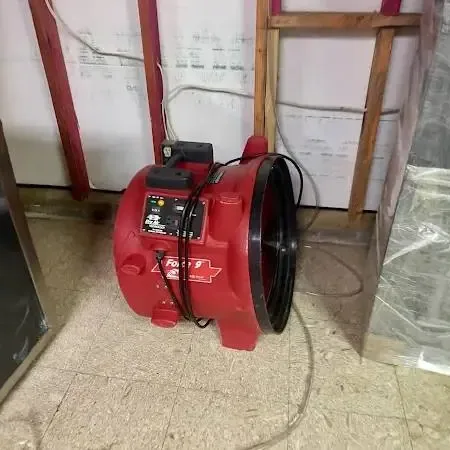
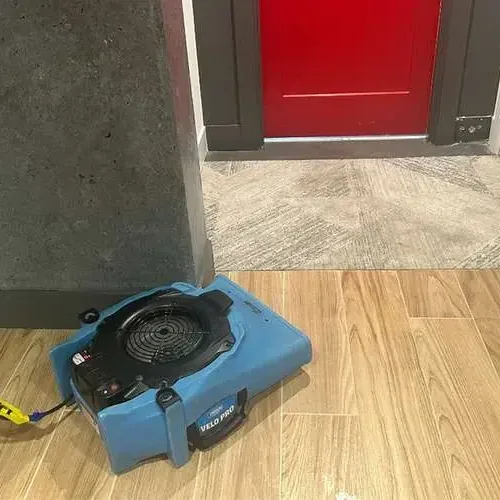
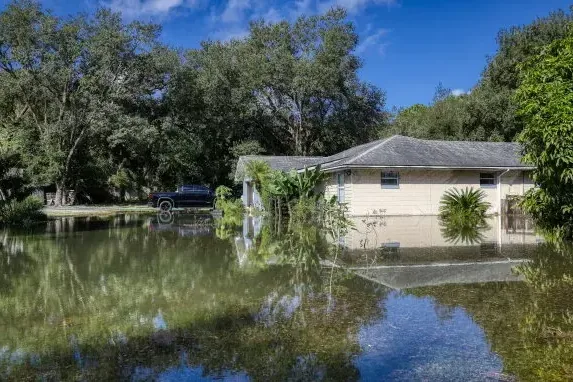
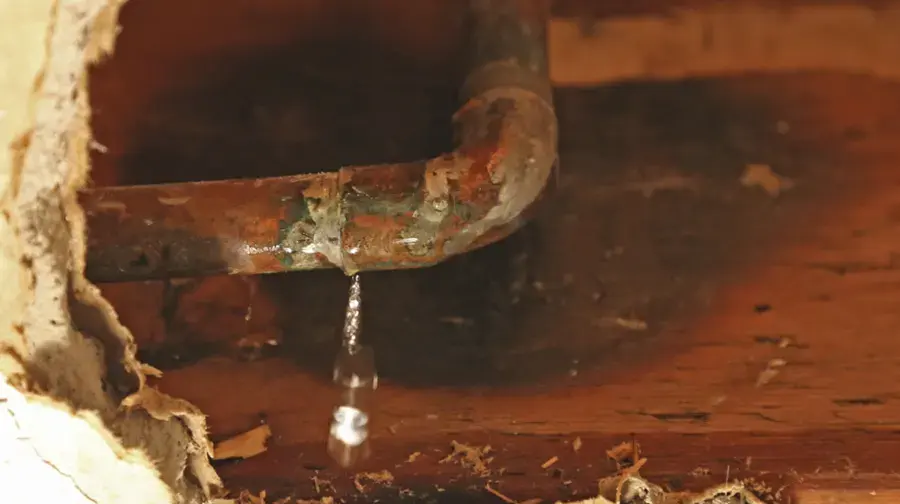
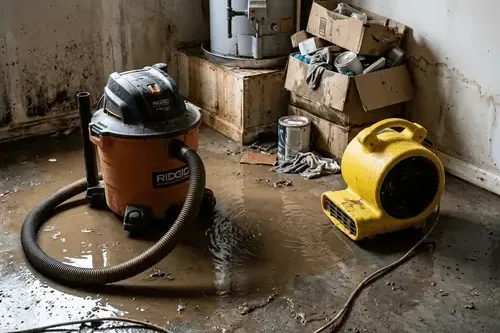
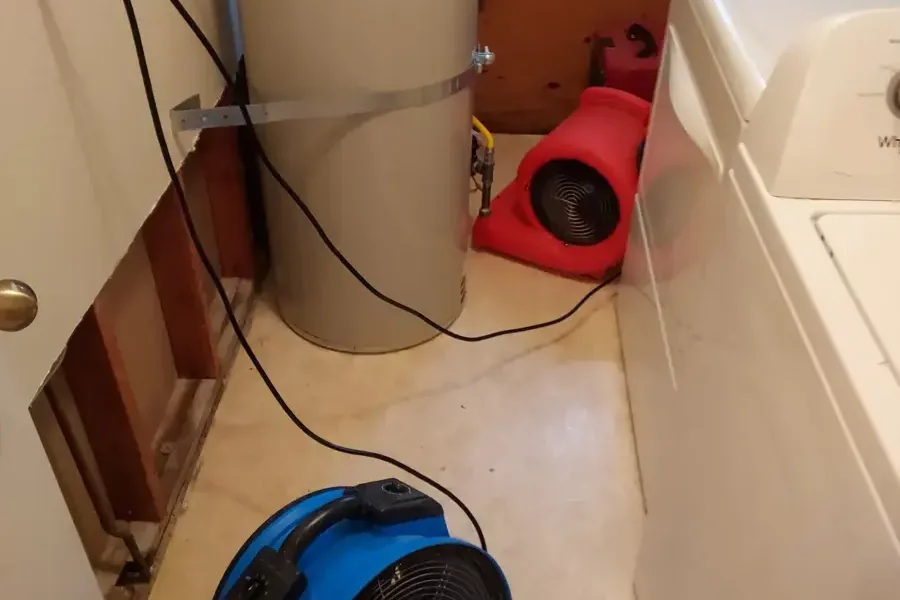
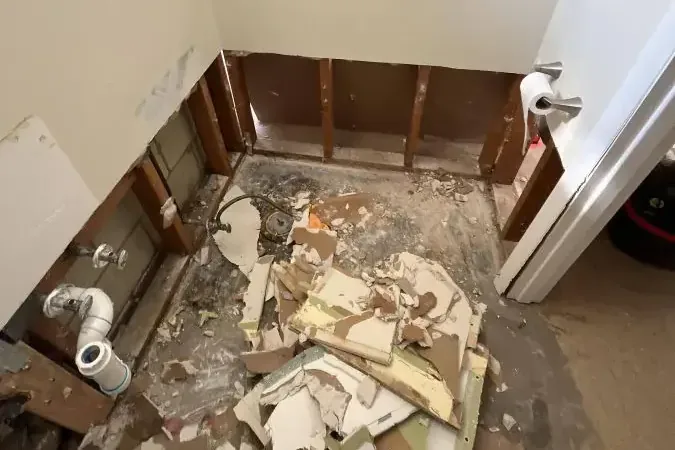
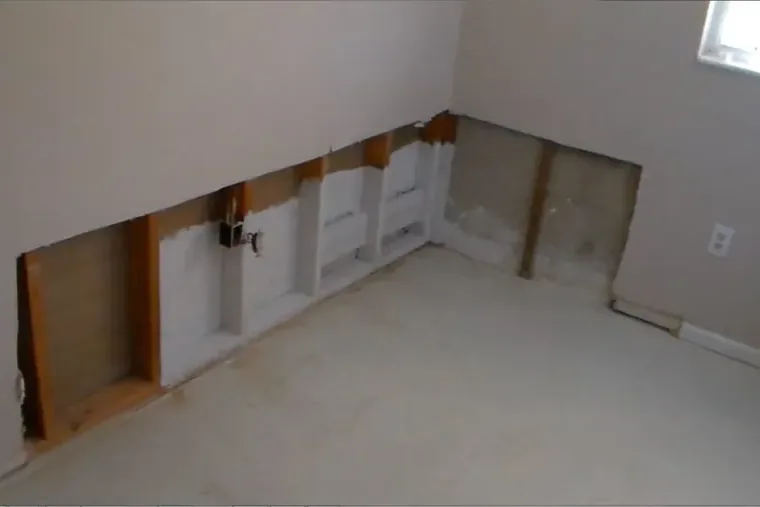
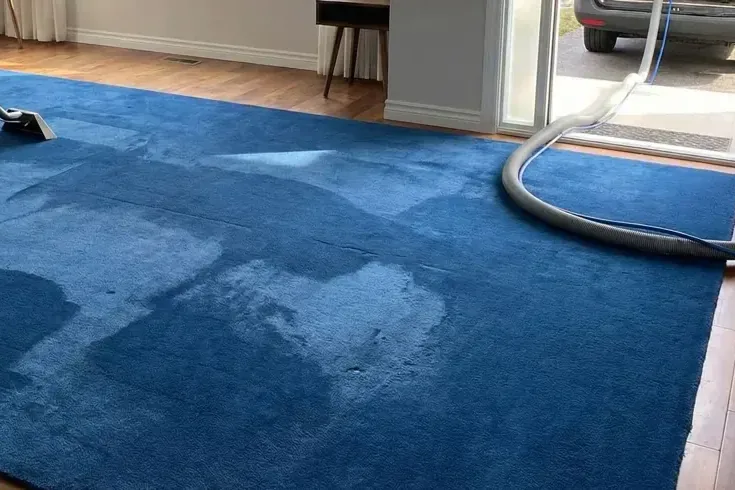
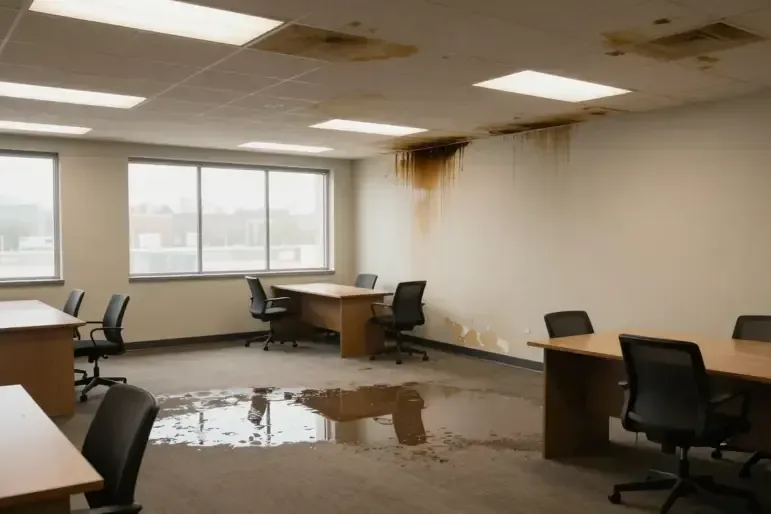
Equipment, damage and cleanup in the field
Water damage service across Lynwood
ZIP codes
Corridors and parks
Nearby cities
Dealing with active water in your home or shop?
The crew works throughout the city, from single-family blocks to apartment buildings and commercial strips, carrying extraction gear and drying equipment to each job.
Describe where the water is and what type of building it is, and the first steps get mapped out.
Lynwood, CA · [email protected]
Local water risks in a city of older homes
The 2020 Census counted 67,265 residents here, living in 15,896 housing units with a median build year of 1954. Older plumbing, renters and multi-unit buildings shape most water calls.
County report, 2004: A county storm report dated January 5, 2004 lists flooded intersections on Imperial Highway, Martin Luther King Jr. Boulevard and Long Beach Boulevard.
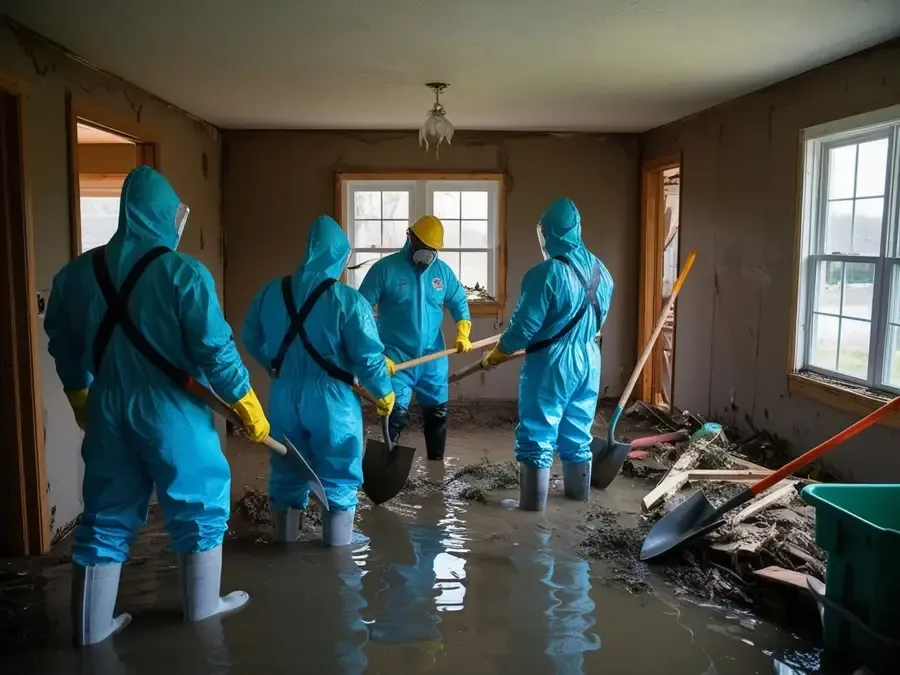
Homes built around 1954
About 3,999 units here date from the 1950s and 3,199 from the 1940s, so aging supply pipes and fittings are common failure points.
Renters and shared walls
Renters occupy 8,160 homes and owners 7,223, so a leak often starts with a tenant, spreads to a neighbor and involves a landlord's carrier.
Apartments over apartments
About 1,180 units sit in buildings of 5 to 9 units and 596 in buildings of 20 to 49, so one failed hose can wet floors below.
Winter storm runoff
The Los Angeles River Master Plan lists the city in its Central Plain reach, and a February 2024 atmospheric river brought near-record rain to the county.
Sewer pipe upkeep
The city says owners must keep their sewer pipes clear of clogs and blockages, and a stalled pipe shows up first as a backed-up floor drain or tub.
Water damage questions from local property owners
Water in your home now?
Describe the damage and the type of building, and the crew will explain the first steps and what to protect.
(888) 563-9619 Talk to the drying crewWho pays for water damage cleanup, the owner or the insurer?
Coverage depends on the policy and the cause. Sudden pipe bursts and appliance failures are often covered, while slow seepage and flood often are not, so the claim should be checked early.
Should a tenant call the landlord or a restoration company first?
Tenants should tell the landlord or property manager right away, since the building owner's carrier usually handles structure damage, and then protect their own belongings under a renters policy. A written note of the report date helps later.
How do I know whether sewage has reached the floors?
Dark, foul-smelling water coming up from a tub, toilet or floor drain is treated as black water. Stop using fixtures, keep children and pets away and wait for protective gear and containment.
Who do I contact about a sewer overflow?
Owners are responsible for keeping their own sewer pipes clear of clogs. The Sanitation Districts' overflow contact list also names the Lynwood Public Works Department for the city.
How long will the drying equipment run?
Run time for structural drying depends on materials and readings, not a fixed schedule. Hardwood, concrete and wall cavities dry slower than carpet, and equipment leaves only after readings match dry reference points.
Can a wet ceiling or wall be dried without tearing it out?
Often yes when a pipe leak is caught early and the drywall is not sagging or stained through. Meters and a thermal camera show whether a small cut and an air path are enough.
What should I save for the insurance adjuster?
Keep photos, videos, receipts for emergency repairs and a list of damaged items. The crew's moisture logs, photos and scope add a record of how the structure dried.
Does an apartment leak mean the whole building is involved?
Not always. Readings in the neighboring units and the floor below show how far water traveled, and managers use that map to decide where drying and repairs are needed.
Is it safe to stay in the home while drying equipment runs?
Usually yes for clean water, though equipment is loud and cords cross floors. Sewage and heavy flooding call for containment, and the crew says if a room should stay closed.
Wet materials get harder to save with every day of waiting
Describe what is wet and the crew will outline first steps for the home, apartment or shop.
(888) 563-9619Talk to a local drying crew