Slab Leak Water Damage in Cerritos, CA
When copper under the slab pinholes, water rises through the floor. The restoration team maps how far it spread, lifts the wet flooring and dries the concrete and wall bottoms while the plumber handles the pipe.
(888) 563-9619Warm floor and a moving meter? Call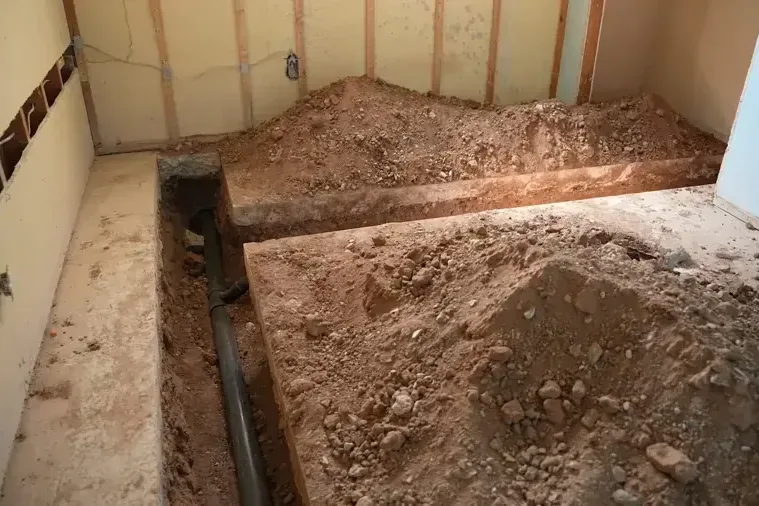
First steps for slab leak water damage
A few minutes of the right moves protect the structure and the claim before the equipment arrives.
- Run the meter test. With every fixture off, a moving meter dial means water is escaping somewhere.
- Shut the main. Close the main valve if the dial keeps moving, then get a plumber for leak detection.
- Clear the floor. Move rugs, furniture and boxes off any damp or warm area.
- Take photos first. Photograph lifted flooring and wet baseboards before anything is removed.
How slab leak water damage is handled
A slab leak starts when a supply pipe buried in or under the concrete floor gives way. Local tract homes from the late 1960s and 1970s typically run copper under the slab, and after five decades of hard water and street pressure that copper thins until a pinhole opens. Water then rises through the concrete and spreads beneath carpet, laminate and tile, often for weeks before it shows.
Rapid local response
24/7 dispatch treats active water as urgent at any hour, weekends and holidays included.
IICRC S500 drying standard
Structural drying, not surface drying: air movers and LGR dehumidifiers sized to the class of loss.
Claim-ready documentation
Moisture maps, daily psychrometric logs and timestamped photos taken before anything is removed.
Slab-home know-how
Copper under the slab, garage water heaters, attic air handlers and two-story bathrooms lead the local list.
What does slab leak water damage cost in Cerritos, CA?
In Cerritos, slab leak water damage cleanup typically runs $2,800 to $16,000, depending on how many rooms the water reached, the flooring, how long the leak ran and whether desiccant drying is needed. The plumbing repair is a separate cost.
Caught early, one room
- Flooring lifted in one room
- Baseboards removed
- LGR drying with readings
Kitchen and nearby rooms
- Cabinet toe kicks opened
- Wall bottoms dried
- Containment set up
Long-running leak
- Flooring out across rooms
- Desiccant drying
- Extended monitoring
Ranges are typical, not a quote: water category, square footage, material class and how fast drying started move the number most. Run the water damage cost calculator for a closer range. Coverage depends on your policy, so check with your own insurer.
The slab leak water damage process, step by step
The tech who does the walkthrough maps moisture before any equipment goes down, and the equipment stays until the readings say dry.
Map the slab
Pinless meters and thermal imaging show how far water spread under the floor.
Open what is wet
Wet flooring, pad and baseboards come up so the concrete can breathe.
Contain and dry
A small containment with LGR or desiccant dehumidifiers dries the slab.
Match the dry reference
Daily readings continue until the slab matches a dry area of the same floor.
What to know about slab leak water damage
How a slab leak shows itself
- A water meter dial that keeps turning with every fixture off
- A warm patch of floor, most often near the kitchen or a bathroom
- Carpet that feels damp, laminate that cups, or grout that cracks with no leak in sight
- A hiss of running water and a bill that climbs for no reason
Run the meter check on the EPA WaterSense Fix a Leak page before anything else.
Plumber and restoration team, side by side
Finding and fixing the pipe is plumbing work: electronic leak detection, then a spot repair through the slab or a reroute through the walls and attic. Dealing with the water is restoration work. The restoration team maps moisture across the slab and the wall bottoms, pulls up wet carpet, pad or laminate, removes baseboards and starts drying the concrete, often on the day the plumber is there.
Why concrete takes longer to dry
Concrete counts as a Class 4 material because it soaks water deep and gives it back slowly. The drying team tents the wet area in a small containment, runs LGR dehumidifiers inside it and brings in desiccant units if the readings stall. Readings come from marked points each day and get compared with a dry part of the same slab. New flooring waits until they match.
Slab leaks and the insurance claim
Policies often split a slab leak into three parts: the pipe itself, opening the floor to reach it, and the water damage it caused. The claim file covers the last part with a moisture map, daily readings and photos taken before demolition. The California Department of Insurance answers consumer questions about claims. Coverage depends on your policy, so check with your own insurer.
Slab leak water damage coverage around Cerritos
The restoration team covers ZIP 90703 end to end, from South Street and the mall up through the Towne Center, Del Amo Boulevard and 183rd Street to the east side homes near the Coyote Creek channel.
Nearby coverage reaches Norwalk, Artesia, Bellflower, Lakewood, Hawaiian Gardens, La Palma, Buena Park, La Mirada, Cypress.
Related water damage services
Slab Leak Water Damage questions in Cerritos, CA
Water still moving?
Shut the water off at the main if it is safe, stay clear of wet outlets, and take photos before anything moves.
(888) 563-9619 Warm floor and a moving meter? CallHow long does a slab take to dry after a leak?
Usually four to ten days. Concrete releases water slowly, and a leak that ran for weeks takes longer than one caught early.
Does the floor have to come up?
Carpet pad and laminate over a wet slab usually come up so the concrete can dry. Tile set directly on the slab can sometimes stay, depending on the readings.
Who repairs the pipe under the slab?
A plumber. The plumber finds the leak with electronic detection and repairs or reroutes the pipe. The restoration team handles the water and the drying.
Is a reroute better than a spot repair?
That is a plumbing decision based on the age and condition of the copper. Many owners of 1970s homes choose a reroute after a second leak. Either way, the wet slab still needs drying.
Will insurance cover slab leak damage?
Many policies cover the resulting water damage and access to the pipe, but not the pipe itself. Coverage depends on your policy, so check with your own insurer.
Can a slow slab leak wait?
Water under the slab keeps feeding the concrete, flooring and wall bottoms, and wet materials can start growing mold in 24 to 48 hours. Shut off the main if the meter keeps moving.
Warm spot on the floor? Get the slab dried out.
Water under a slab spreads into flooring, cabinets and wall bottoms. The drying team maps it and dries the concrete.
(888) 563-9619Start the slab dry-out now