Water Damage Restoration Bellflower, CA
Bellflower homes, apartments and shops get a restoration team that pulls standing water, dries wet structure under IICRC S500 practice and documents each step for the insurance claim.
(888) 563-9619Request water damage helpEvery job starts with a walkthrough, moisture mapping and photos, so a landlord, tenant or owner has a written record before demolition begins.
Plans built around older homes and apartments
The largest build decades here are the 1950s, 1960s and 1970s, so the restoration team plans for older pipes, apartment stacks and wall materials that need careful opening.
Dispatch at all hours
A water loss does not wait for business hours, so the response team takes requests at night, on weekends and on holidays.
Right-sized drying equipment
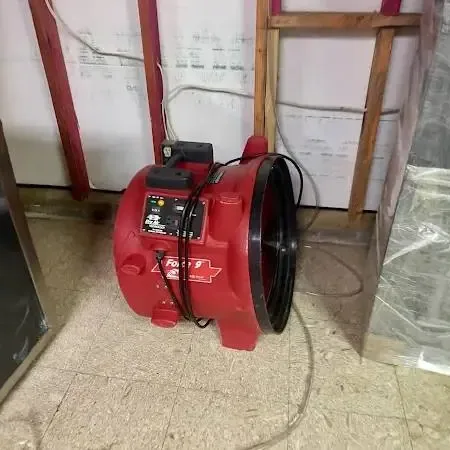
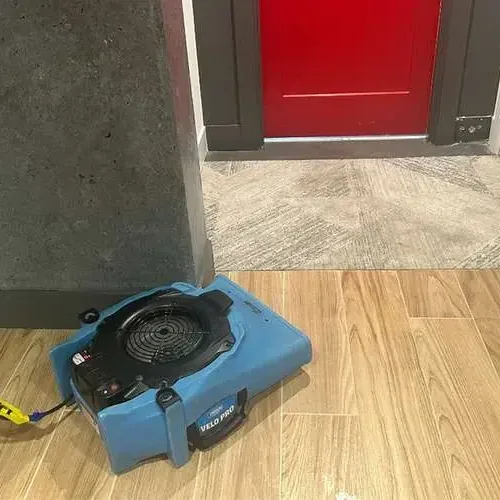
Air movers, dehumidifiers and extraction tools are chosen after moisture readings, so a bathroom and a whole apartment floor are dried differently.
Records for the claim
Photos, moisture logs and equipment records are kept for the adjuster, the landlord and the owner, so the claim file is complete when drying ends.
Older housing know-how
Decades-old fittings, shutoff valves and drain connections fail in recognizable ways, so the crew checks them first when tracing a leak to its source.
Twelve water services for homes and businesses
Water losses differ by source and building type, so the work is split by cause, from slab leaks to ceiling stains to sewage backups.
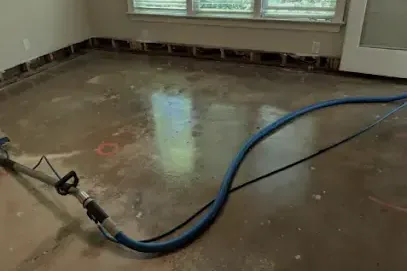 01Water Extraction and RemovalTruck-mounted and portable units pull standing water from carpet, pad and hard floors before it reaches the walls.Service details
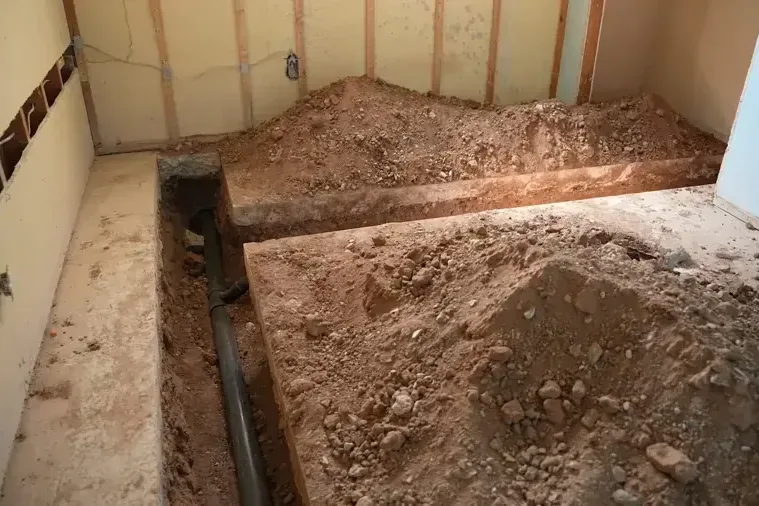 02Slab Leak Water DamageA supply pipe leaking under the floor slab is located with electronic detection, then flooring and wall bases are dried.Service details
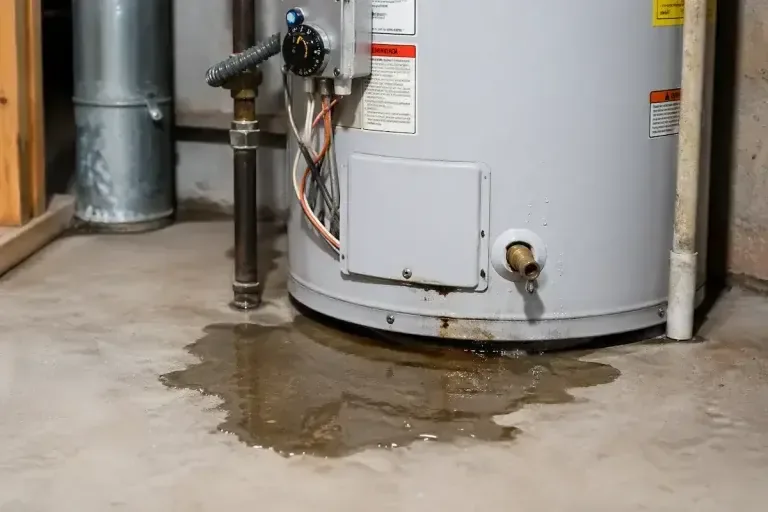 03Water Heater Leak CleanupA failed tank can flood a garage, a closet and the next room, so extraction and shared wall drying go together.Service details
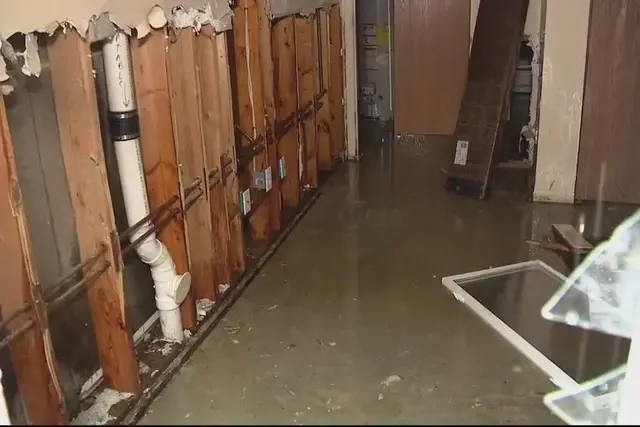 04Burst and Pinhole Pipe LeaksPinhole leaks and split pipes are traced with thermal scans and meters, then opened only where the wet area requires.Service details
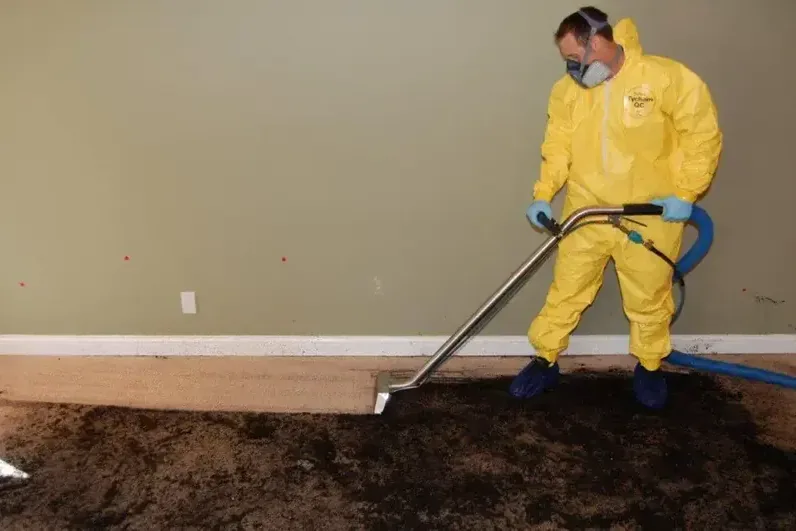 05Sewage Backup CleanupContaminated water calls for containment, protective gear, removal of porous materials and an antimicrobial treatment before drying begins.Service details
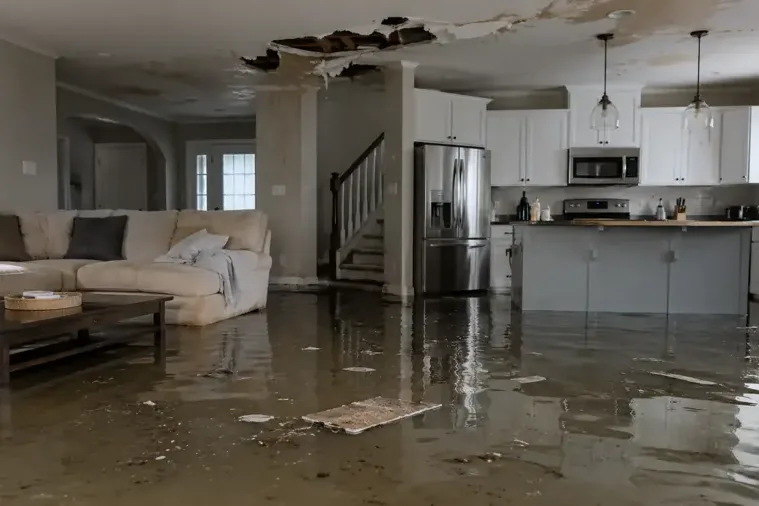 06Storm and Flash Flood CleanupRunoff and rain entering a garage or ground floor are pumped out, then affected materials are sorted, removed or dried.Service details
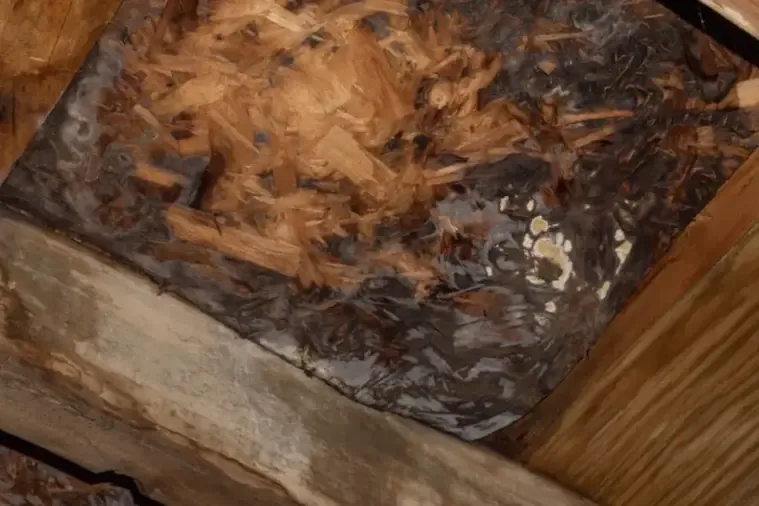 07Roof Leak Water DamageA lifted shingle or tile lets rain into the attic, so insulation, ceiling drywall and framing are checked for moisture.Service details
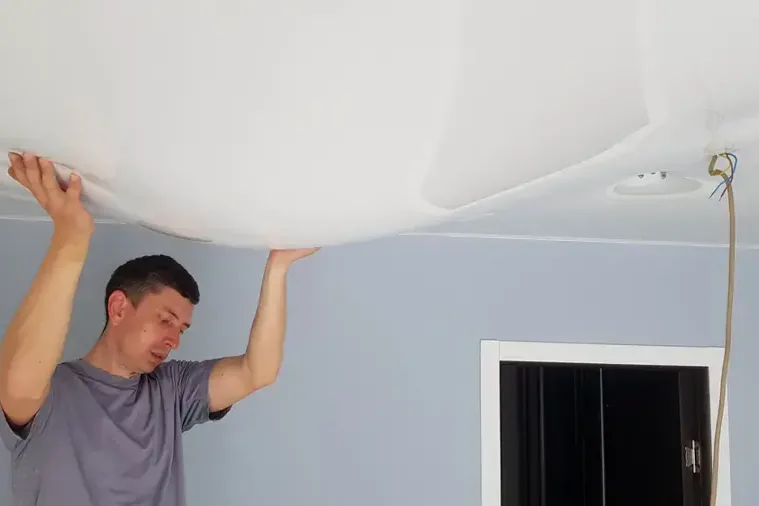 08Ceiling Leak Water DamageA ceiling stain in an apartment building often starts in the unit above, so the source, cavity and room below get checked.Service details
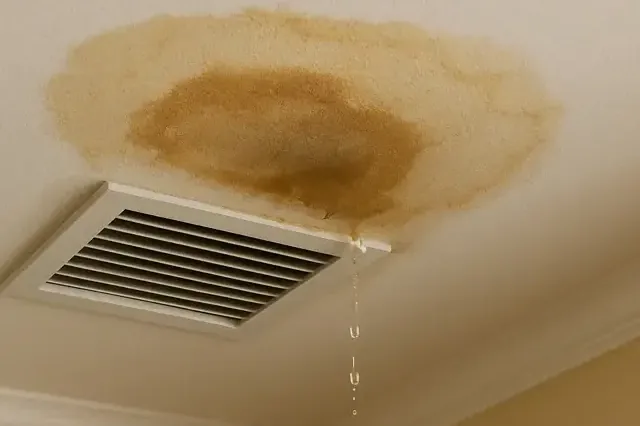 09AC Condensate Leak Water DamageA clogged condensate drain or cracked pan sends water into closets, ceilings and walls near an air handler.Service details
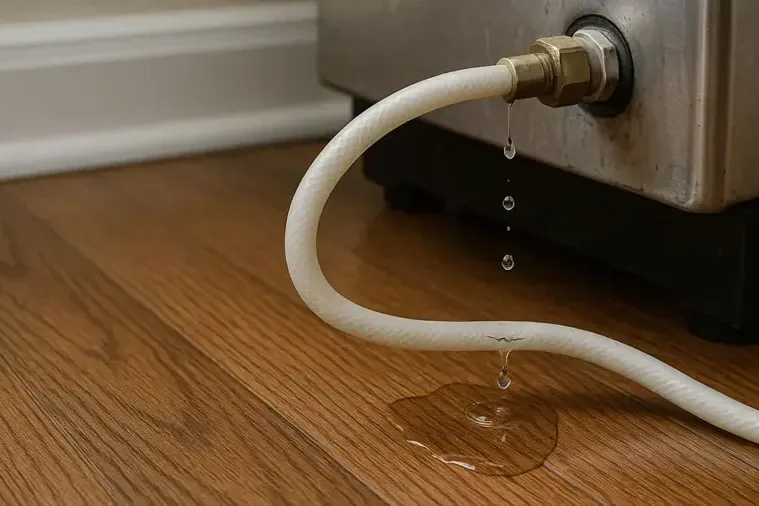 10Appliance and Supply Hose LeaksA dishwasher, washer or refrigerator supply hose can fail quietly, so cabinet bases and wall cavities get moisture readings.Service details
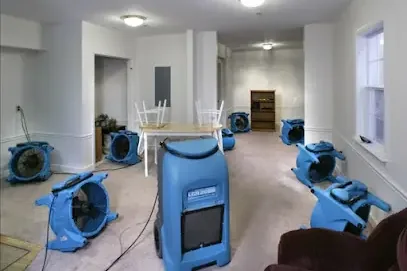 11Structural Drying and DehumidificationAir movers, low-grain dehumidifiers and daily readings dry framing, subfloors and wall cavities until moisture targets are met.Service details
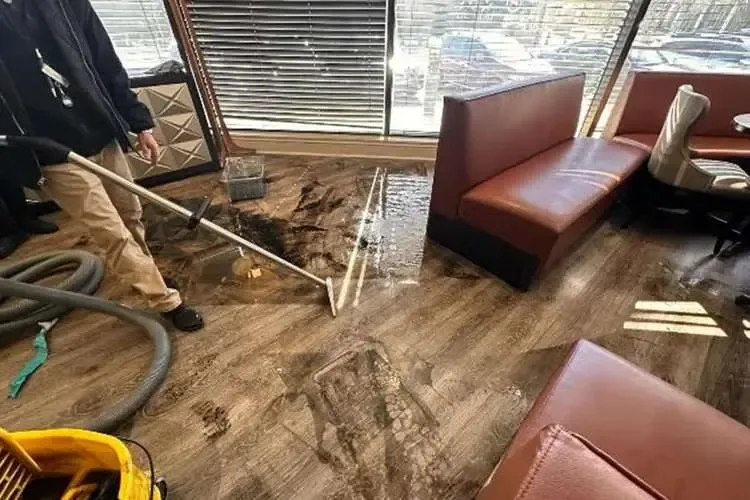 12Commercial Water DamageShops, restaurants and offices get phased drying, zone containment and evening work so a tenant can often stay open.Service details
First steps to take after water appears
- Stop the water source. Shut the fixture valve or the main shutoff, and in an apartment tell the landlord or manager right away so the unit above or beside can be checked too.
- Cut power to wet areas. If water reaches outlets, appliances or ceiling fixtures, switch off that breaker and stay away from the panel if the floor is wet.
- Photograph the damage. Take wide and close photos of wet walls, floors, ceilings and belongings before anything is moved, and write down when the water was found.
- Lift valuables clear. Raise electronics, papers and small furniture onto dry surfaces and pull rugs up, but leave wet drywall and flooring for the crew.
- Request extraction and drying. Ask for extraction and drying so wet materials do not sit, and read the policy's water and sewer backup wording while waiting.
Drying is finished only when readings say so
Each job follows IICRC S500 practice: the team maps moisture, removes the water, sets equipment and keeps daily logs until wet materials return to a normal range.
Survey and meter
A moisture meter and thermal camera map wet carpet, drywall, subfloor and framing so the removal list is based on readings, not guesses.
Extract the water
Standing water comes out first with pumps and extraction wands, and soaked pad or ceiling material is removed once it cannot be saved.
Dry and record
Air movers and dehumidifiers run while temperature, humidity and moisture content are logged each day and equipment is moved as areas dry.
Confirm dry goals
Final readings are compared with unaffected materials in the same building, and the log goes to the owner, landlord or adjuster.
Clean, gray and black water need different care
Clean water
Supply pipes, broken hoses and tub overflows start as clean water, but time in wet materials can change how it is handled.
Burst and Pinhole Pipe LeaksGray water
Washing machines, dishwashers and air conditioner condensate carry some contamination, so affected pad and cabinet bases are cleaned or removed rather than simply dried.
Appliance and Supply Hose LeaksBlack water
Sewage and rising floodwater carry bacteria, so porous materials are removed, surfaces are treated and the area is contained before drying starts.
Sewage backup cleanupWhat local water damage jobs usually cost
Cost follows the water category, how many rooms are wet and how long materials stayed saturated, so three typical ranges are used instead of one flat price.
One room, clean water
- Extraction and drying
- Moisture readings daily
- Baseboards pulled if needed
Several rooms or gray water
- Wet flooring lifted
- Wall bottoms opened
- Dehumidifiers running
Whole unit or sewage
- Containment of the area
- Contents cleaned or discarded
- Extended drying logs
A final price depends on what readings find once walls and floors are opened, which is why the written scope lists removals, equipment and monitoring.
Working with your insurer
Many policies cover sudden water damage but not slow leaks or neglected maintenance, so the claim file needs dates, photos and readings from day one.
- The date and time the water was first found
- Wide and close photos taken before any cleanup starts
- Daily moisture logs and equipment records from the drying crew
- Receipts for emergency repairs and temporary housing
- Names and contact details for the adjuster and landlord
If a landlord is involved
Of the 24,534 occupied homes here, 14,866 are renter-occupied and 9,668 are owner-occupied, so a single loss often involves a landlord, a tenant and more than one policy.
Tenants should report the leak to the landlord in writing, and owners should keep the written scope so the adjuster can compare it with the repair bid.
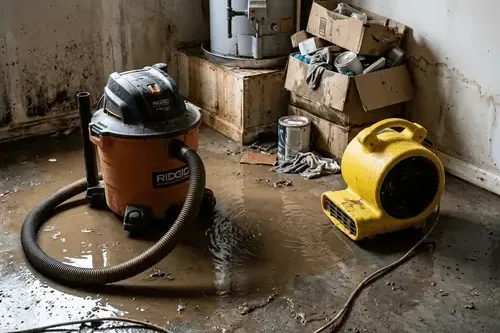
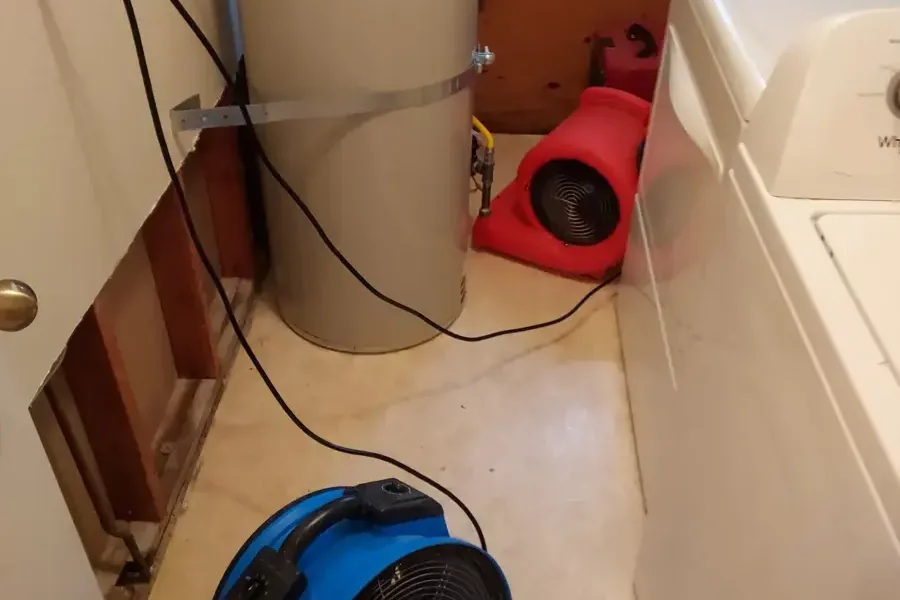
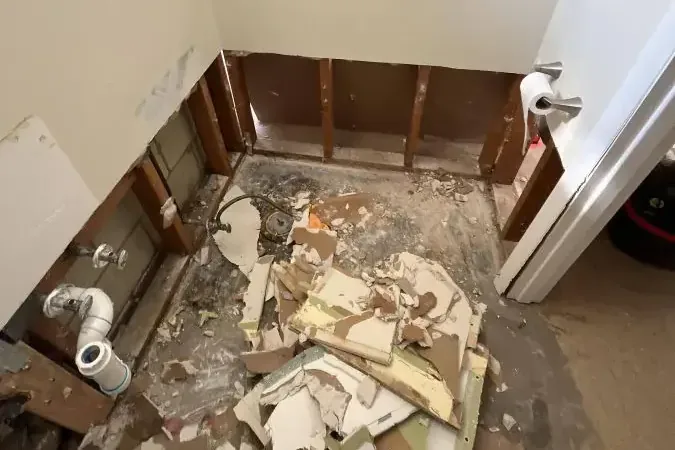
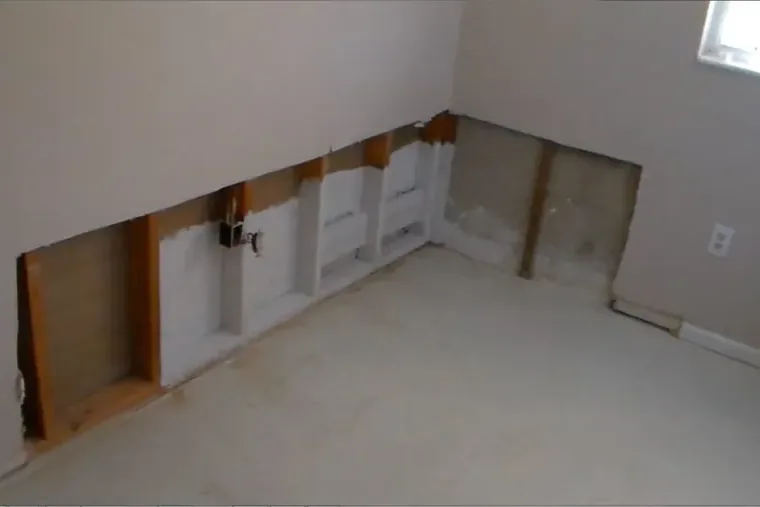
Typical water damage scenes the crews work in
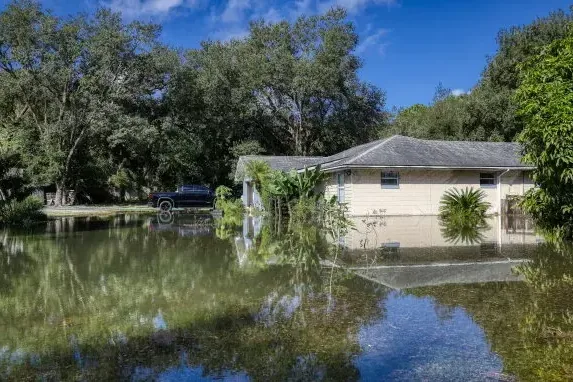
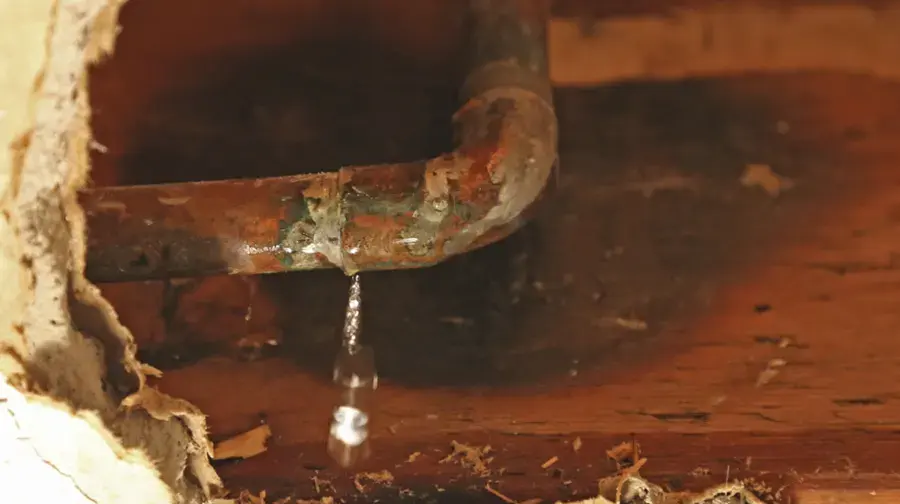
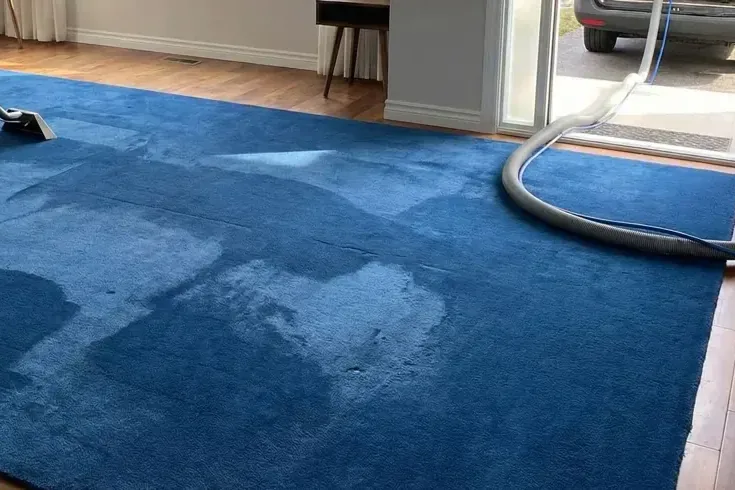
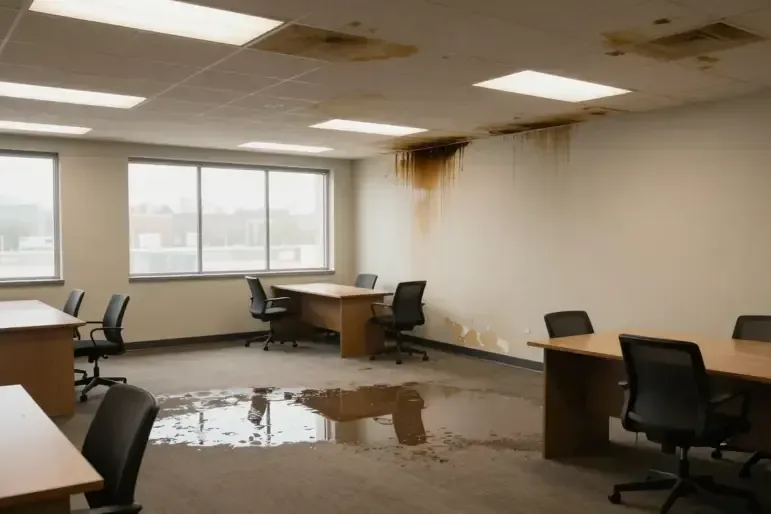
Where the crews work in Bellflower
ZIP codes
Neighborhoods and corridors
Nearby cities
Calling for help from any part of the city
The response team covers both ZIP codes and every part of the city, from apartment buildings to single-family streets and shops.
Describe the water source and the building type when you reach out, and the dispatcher will arrange the right extraction and drying equipment.
Bellflower, CA · [email protected]
What shapes water damage in Bellflower
Older construction, apartment stacks and shared plumbing matter in one of California's most densely populated cities, where the San Gabriel River once flooded the area every year before it was contained.
March 1991: A storm with tornado-like winds damaged homes in Lakewood and Bellflower, cut power across the area, ripped roof tiles and shattered windows.
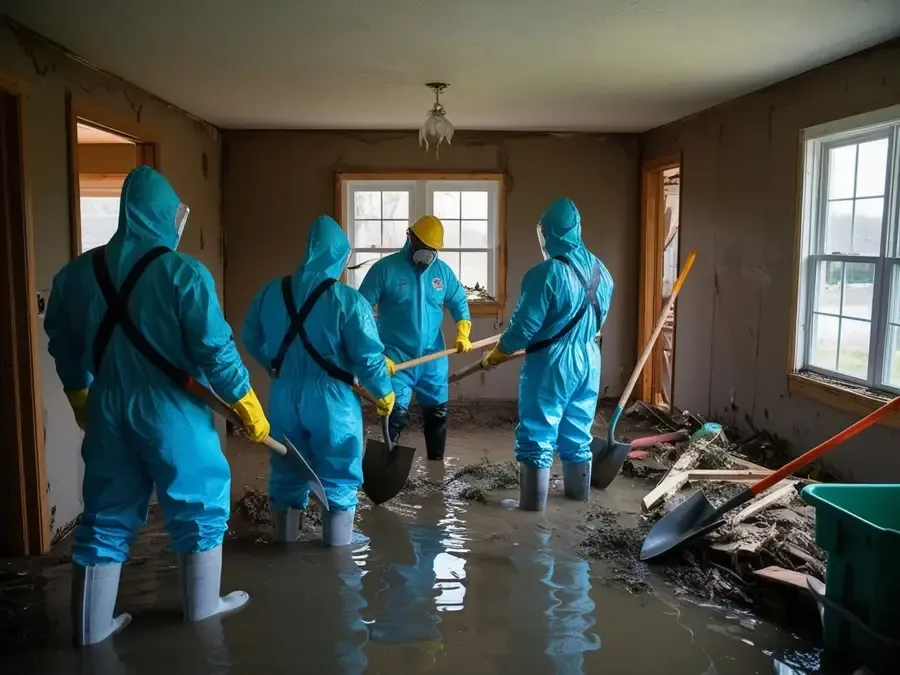
Decades-old plumbing
About 18,875 of 26,173 housing units were built before 1980, with 6,497 homes from the 1950s alone, so many pipes have decades of wear.
Shared walls and ceilings
With 3,170 homes in buildings of 50 or more units and 2,097 in buildings of 20 to 49, a leak often reaches several households and a property manager.
Sewer laterals and mains
The sewer lateral from a house to the main belongs to the owner or landlord, and most mains belong to the city, so the blockage location matters.
Storm drains and sandbags
The city's Public Works Department routinely cleans storm drains, and sandbags are offered to residents before heavy rain at Thompson Park.
Wind and roof damage
That storm showed how wind can strip roof tiles and break windows, which lets rain reach attics and ceilings in homes built before 1980.
Common questions about water damage
Need help with a leak?
Tell the dispatcher where the water started and which rooms are wet, and the response team will plan extraction and drying around the property.
(888) 563-9619 Ask about your leakHow long can wet materials sit before more damage sets in?
Drywall, pad and insulation start to degrade within a day or two, and mold can follow, so extraction and drying should begin as soon as the source is stopped and the area is safe to enter.
Who handles the repair when water comes from another unit?
The building owner or manager normally deals with the source, and the drying team documents damage in each affected unit, with separate photos and readings, so every claim has its own records.
Does a sewage backup need different cleanup than a leak?
Yes. Sewage backup cleanup deals with black water, so the crew uses containment and protective gear, removes porous materials and treats surfaces before drying, and a sewer or plumbing contractor may need to clear the blockage.
Why does hard water matter after a leak?
Local water is hard, reported at 13.7 to 16 grains per gallon, so supply pipe leaks can leave mineral residue on fixtures and valves, and the crew photographs the buildup when tracing a slow leak to its source.
Can wet carpet be saved after a leak?
Carpet can often be saved when clean water is extracted early, but the pad is usually replaced, and gray or black water or long exposure usually means removal.
Do older homes dry differently from newer ones?
Materials matter more than age, so the team meters every surface instead of assuming, and the readings decide how much flooring and wall is opened or kept.
What standard does the drying work follow?
The drying follows IICRC S500 practice, which calls for a water category and class rating, documented readings and dry goals for each material before equipment leaves the property.
Do repairs after water damage need a city permit?
The city's Building and Safety Division requires permits before most construction or remodeling, and its permit list includes water heaters and re-piping, so some repairs after water damage may need one.
What happens when a restaurant or shop floods?
Commercial water damage jobs are zoned so the kitchen, restrooms and sales floor can be dried in phases, and after-hours work helps the business reopen sooner.
Is storm cleanup handled differently from a pipe leak?
Storm water can carry soil, debris and bacteria from outside, so it is treated as contaminated and more materials are removed than after a clean supply leak.
Stop the damage from spreading through the walls
Requests are taken at all hours, and the drying plan follows the building, the water category and the claim.
(888) 563-9619Start the drying request