Water Damage Restoration Paramount, CA
In Paramount, burst pipes, failed water heaters, sewage backups and storm intrusion all end the same way: wet floors and walls that need extraction, drying and clear readings before anything gets closed up.
(888) 563-9619Request a drying planHouses, apartments, mobile homes and shops follow one sequence: map the wet area, pull the water, dry the structure and log moisture until readings match dry framing.
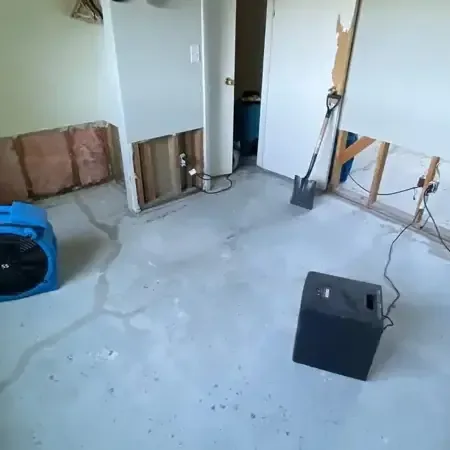
Careful drying backed by records an adjuster can read
Crews work from the same documented routine on every loss, from a single bathroom leak to a flooded garage, and keep records that adjusters and property managers can use.
Prepared for local homes
Crews know the older houses and apartment buildings in the area, so the first walkthrough starts with the right extraction and drying equipment.
Measured drying
Meter readings and thermal images map the wet area, and daily logs prove framing, subfloor and drywall reached their dry goal.
Records for the adjuster
Photos, moisture logs and equipment records are saved for each visit, giving the insurer and property manager a clear timeline of the loss.
Local water knowledge
Older plumbing, stacked apartments, mobile homes and winter storm runoff all show up here, and the crews plan extraction and drying around them.
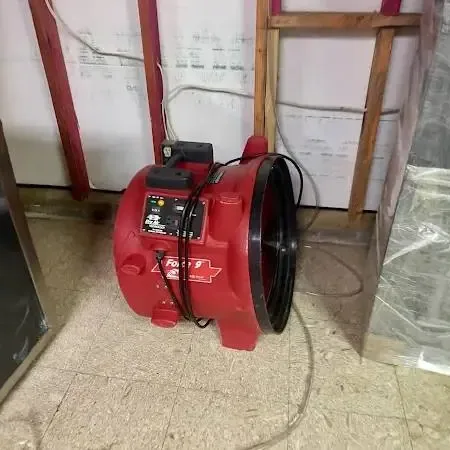
Water damage services for local houses and shops
Every service below covers a different way water gets into a building, from a failed hose to a flooded garage.
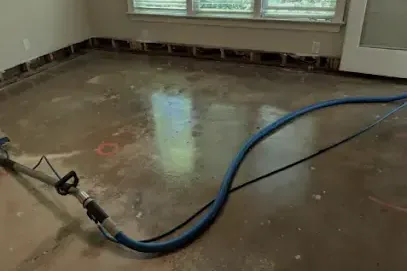 01Water Extraction and RemovalStanding water comes out first, from single houses to apartment units, before drying equipment goes in.Service details
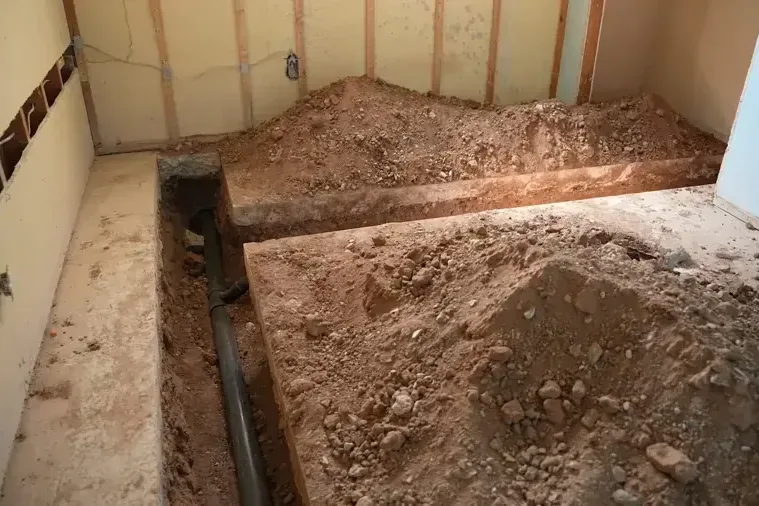 02Slab Leak Water DamageLeaks under a concrete floor are traced, the wet flooring lifted and the slab and walls dried with readings.Service details
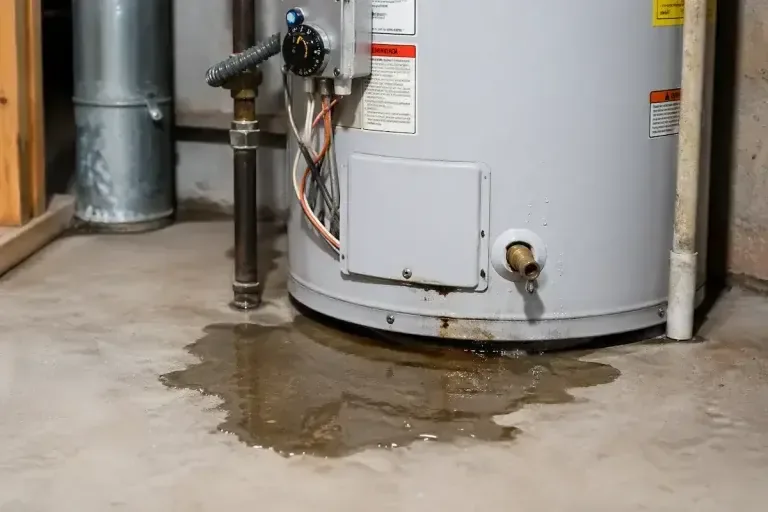 03Water Heater Leak CleanupA failed tank heater can soak a garage, a closet and the next room, or the unit below.Service details
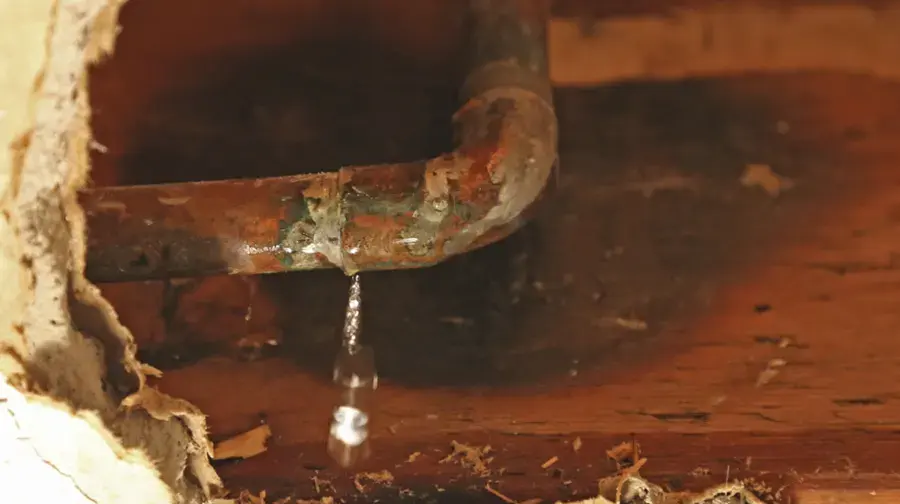
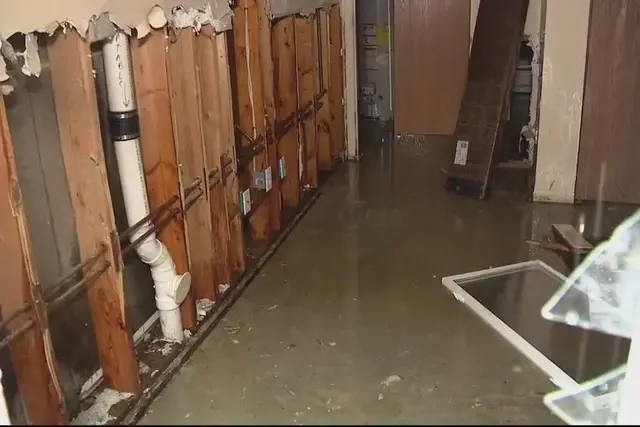 04Burst and Pinhole Pipe LeaksPinhole leaks and split pipes in older walls are found with a thermal camera and dried with small openings.Service details
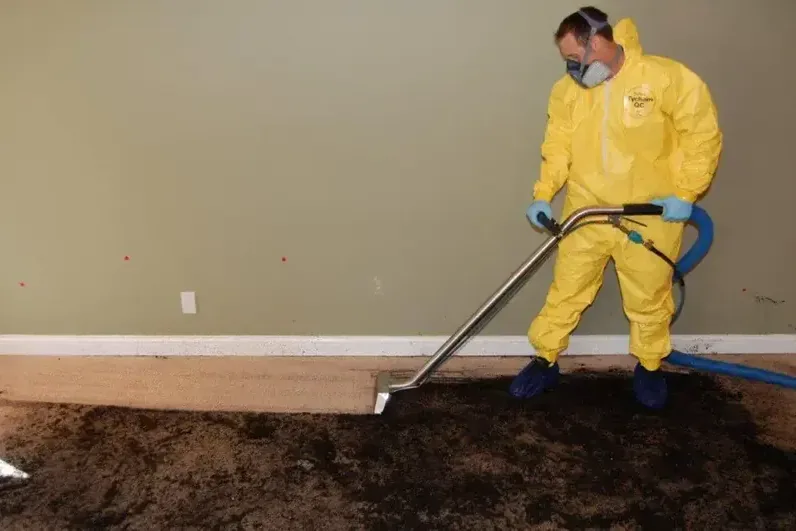 05Sewage Backup CleanupSewage backups are contained, removed and disinfected in protective gear, with soaked porous materials discarded.Service details
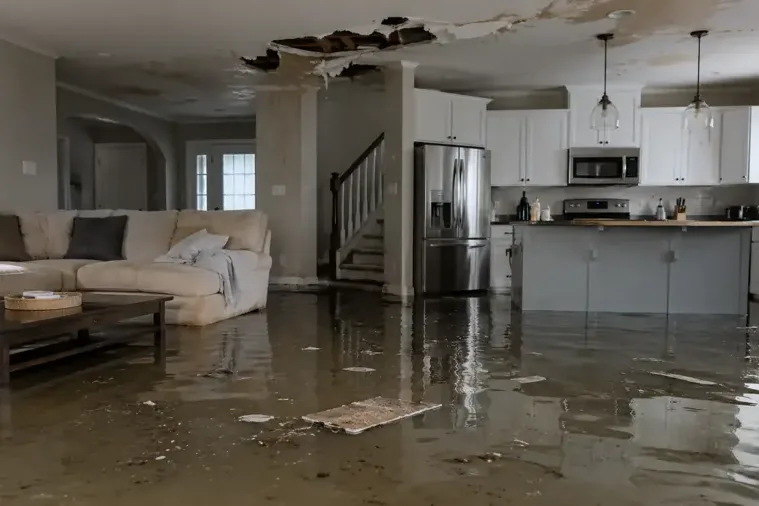 06Storm and Flash Flood CleanupFlash flood and storm runoff in garages and ground floors is pumped out, flood cut and dried.Service details
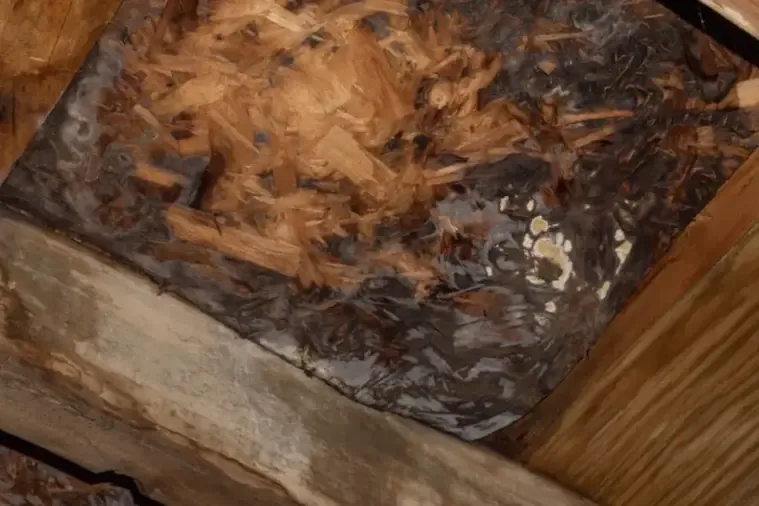 07Roof Leak Water DamageWinter storm leaks through the roof wet the attic insulation and ceiling below, so both get checked and dried.Service details
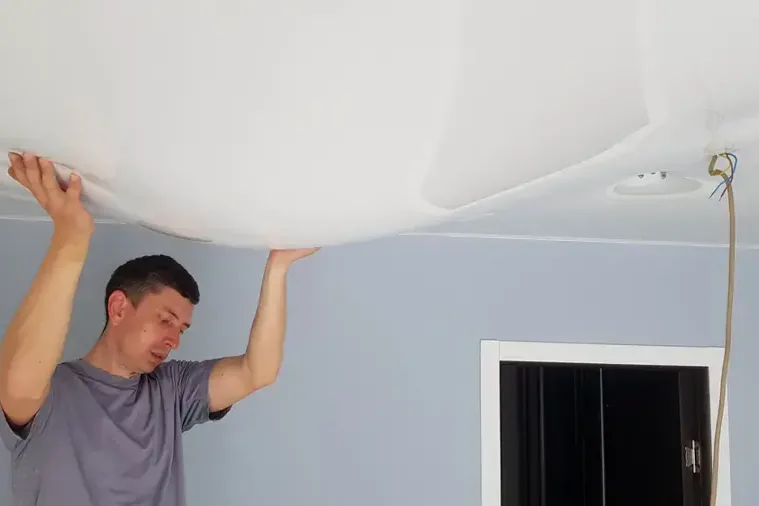 08Ceiling Leak Water DamageA ceiling stain often starts in the unit above or a pipe in the joists, so the source comes first.Service details
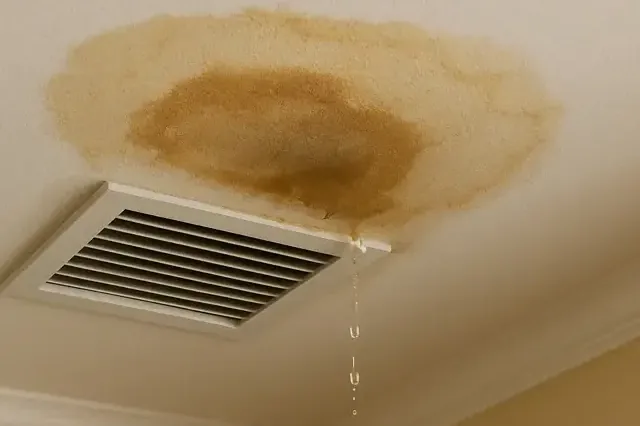 09AC Condensate Leak Water DamageA clogged condensate drain lets the air conditioner overflow into a closet floor or the ceiling below it.Service details
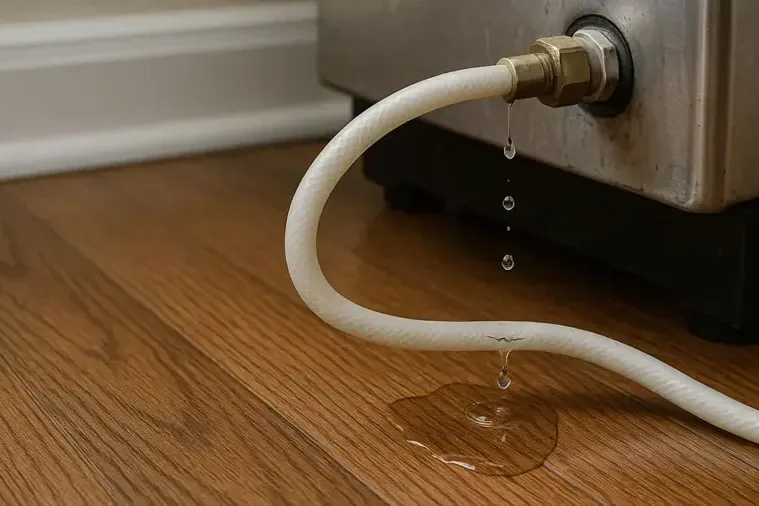 10Appliance and Supply Hose LeaksWasher, dishwasher and ice maker leaks are dried at the cabinet base, floor and wall, including the unit below.Service details
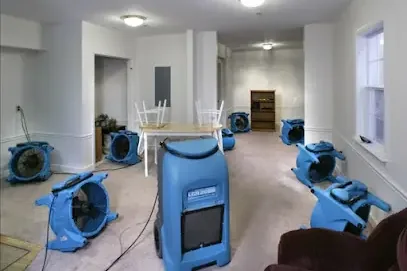 11Structural Drying and DehumidificationAir movers, dehumidifiers and daily readings pull moisture out of framing and walls until they read dry.Service details
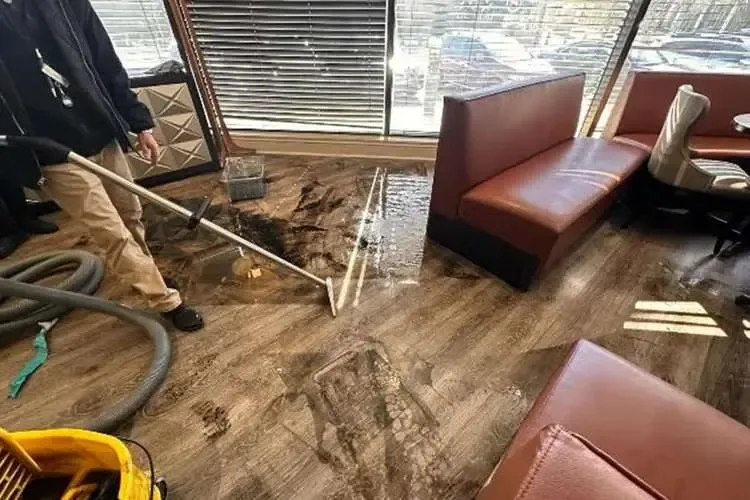 12Commercial Water DamageShops, schools, restaurants and light manufacturing space are dried in phases so the business keeps running.Service details
Steps to take while water is still spreading
- Stop the source. Shut the supply valve at the fixture or the main shutoff, and switch off breakers for any outlets near wet walls or floors before touching anything.
- Move what you can. Lift small furniture, rugs and electronics onto dry surfaces and pull wet items out of the room so the floor can be reached.
- Photograph everything. Take photos and short video of the wet areas, damaged belongings and the source before anything is removed, for the insurance file.
- Keep rooms clear. Keep people and pets away from wet rooms, and never run a household vacuum on soaked carpet or on any water that may be contaminated.
- Describe the loss. Describe the source, the rooms affected and whether the water looks clean or dirty so the crew can bring the right equipment.
Wet materials are dried to measured targets
The restoration team follows IICRC S500 practice: water is removed, wet materials are dried with controlled airflow, and moisture is read each day until it matches dry material.
Inspect and map
A moisture meter and thermal camera trace how far water traveled through floors, wall bottoms and ceilings, and the readings go on a map.
Remove standing water
Extractors pull standing water and wet pad, and soaked baseboards or lower drywall come off where moisture is trapped behind them.
Set equipment and log
Air movers and dehumidifiers go in by room size and material, and moisture is recorded every visit so progress can be shown.
Confirm the dry goal
Equipment comes out only when readings in framing, subfloor and drywall match the dry reference taken from unaffected parts of the building.
Clean, gray and black water are handled differently
Clean water
Water from a broken supply pipe or a failed fixture starts out clean, though it degrades the longer materials stay wet.
See pipe leak dryingGray water
Washer, dishwasher and sink drain overflows carry soap and light contamination, so wet flooring and pad are usually removed, not dried.
Appliance leak cleanupBlack water
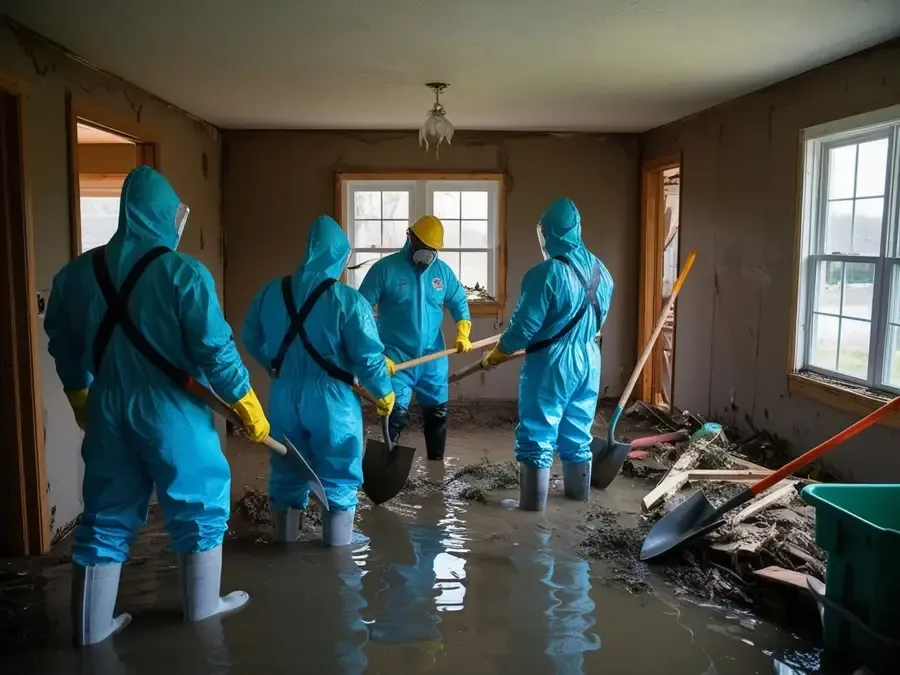
Sewage and storm floodwater can carry bacteria, so the area is sealed off and porous materials are removed and discarded.
Sewage backup cleanupWhat water damage cleanup usually costs here
Most jobs land between $1,200 and $12,000, depending on how many rooms are wet, how long the water sat and whether the water was clean, gray or black.
Single room, caught early
- Extraction and one dehumidifier
- Baseboards removed as needed
- Readings logged daily
Several rooms or wet flooring
- Pad and flooring pulled
- Wall cavities opened and dried
- More air movers on site
Whole floor or sewage
- Containment and air scrubbers
- Contents cleaning or disposal
- Extended monitoring
Ranges are typical for local houses and apartments. A written scope after the first walkthrough sets the real number, and coverage changes what the owner pays.
Build the claim file early
Coverage for water damage depends on the cause and the policy, so adjusters look for the source, the timeline and proof that the loss was kept from growing.
- Photos and video taken before any cleanup starts
- The date and time the damage was first noticed
- Moisture readings and equipment logs from every visit
- Receipts for emergency repairs and temporary supplies
- A room by room list of damaged belongings
What the owner can do alone
Owners can shut off the water, move belongings and take photos without waiting on anyone, and many policies expect that kind of prompt effort to limit the loss.
With about 8,338 renter occupied homes here, tenants should tell the property manager at once, since the building owner's policy and a renter's own policy often cover different parts.
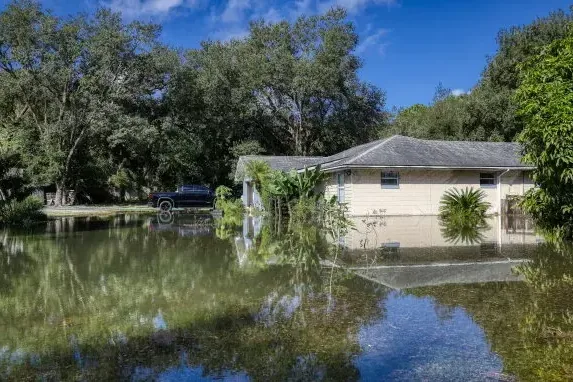
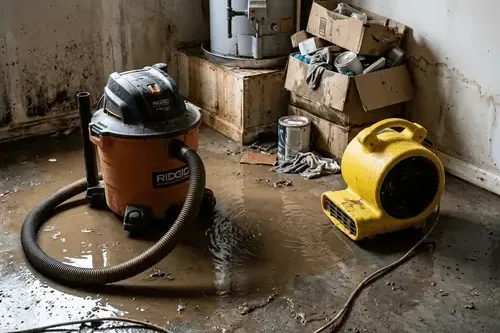
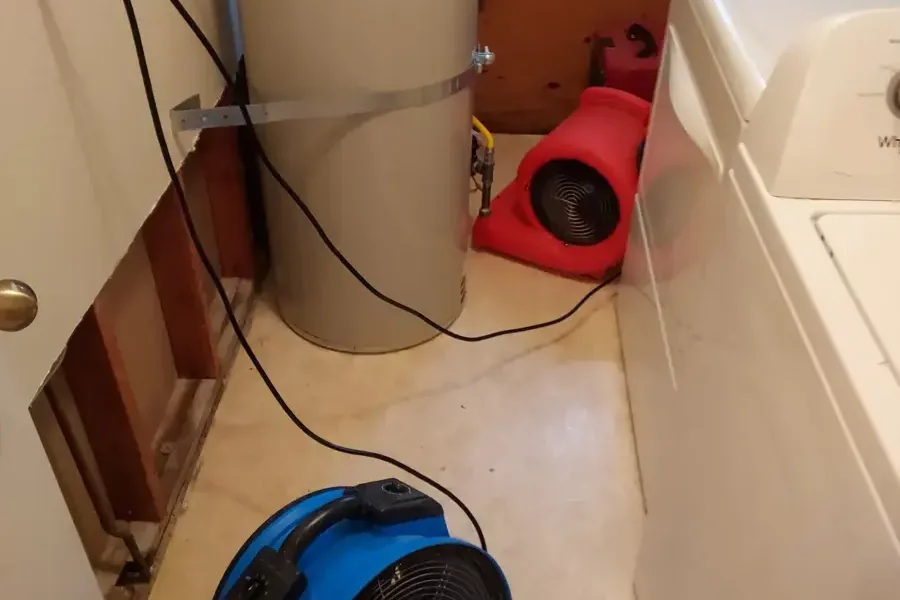
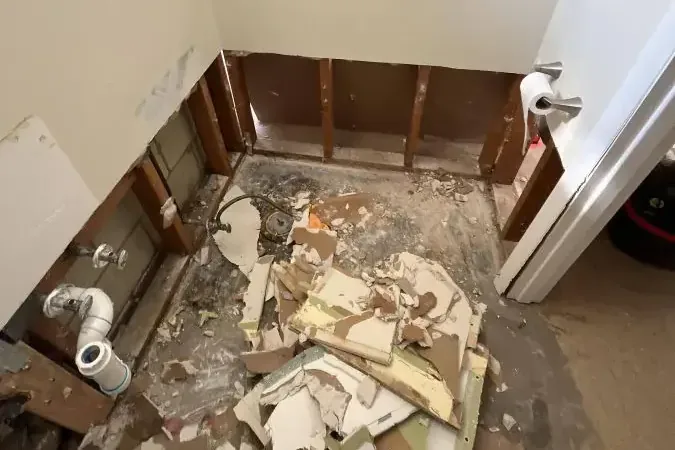
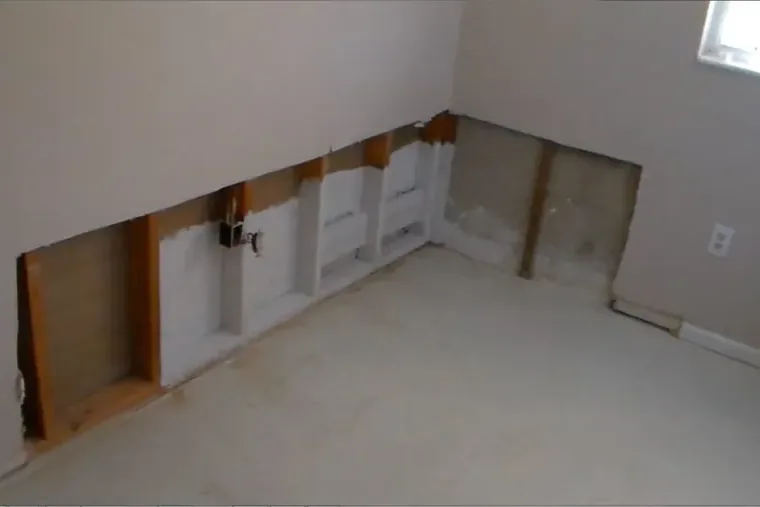
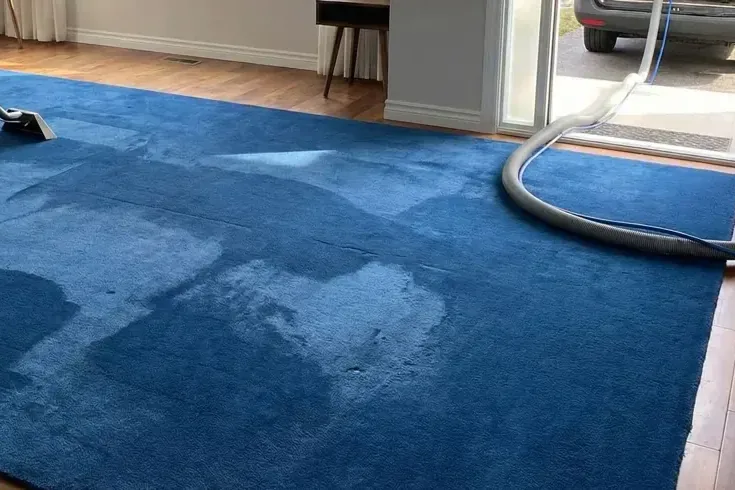
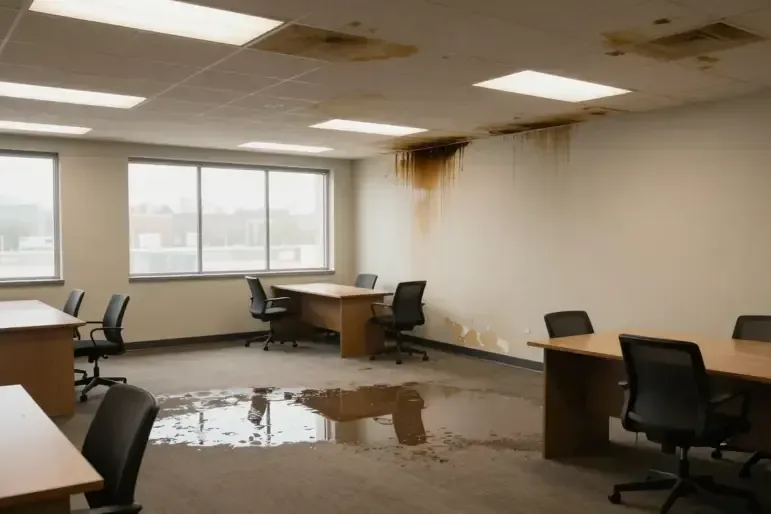
What water damage looks like before and during drying
Areas covered in and around Paramount
ZIP codes
Neighborhoods and corridors
Nearby cities
Not sure your address is covered?
Work here runs through Hynes, Clearwater and the streets along Paramount Boulevard, and the town sits west of Cerritos.
Share the street and the type of water loss when asking, and the team will explain what the first visit involves.
Paramount, CA · [email protected]
What drives water damage in Paramount homes
Housing here skews older: among an estimated 14,773 units, the median build year is 1971, 2,912 date to the 1950s, and aging plumbing and shared walls shape many local losses.
February 2024: An atmospheric river storm brought flash flood warnings to Southern California in a regional event, and damage here was not confirmed.
Aging plumbing
The median build year is 1971, and 775 units date to 1939 or earlier, so worn supply pipes and drains cause slow leaks and sudden failures.
Tank heaters in rentals
About 8,338 homes are renter occupied, so many tank water heaters sit in rentals where a slow leak can reach the unit below.
Stacked apartments
About 1,340 units sit in buildings of 20 to 49 units and 1,525 in buildings of 50 or more, so one failed fixture can soak several floors.
Mobile homes
About 1,466 mobile homes here are built differently from site built houses, so drying plans for floors and walls change.
Storm drainage
The city filed a plan in July 2023 to capture storm drain flows beneath Rosecrans Avenue at Spane Park. It remains a plan, yet it shows stormwater matters here.
Questions about water damage cleanup
Ready to start drying?
Describe the source and the rooms involved, and the restoration team can outline the extraction and drying steps that fit the loss.
(888) 563-9619 Ask about a drying planHow fast does water damage turn into a bigger problem?
Wet drywall and carpet pad start to break down within a day or two, and mold can begin in that window, so extraction and drying should start as early as possible.
Who is responsible for a sewer backup?
The city directs residents to Los Angeles County Public Works for sewage overflows and sewer emergencies, and the county says each private property owner owns and maintains the house lateral. Cleanup of the rooms is separate sewage backup cleanup work.
Does insurance pay for water damage cleanup?
Sudden events such as a split pipe or a failed appliance are commonly covered, while gradual seepage and outside flooding often are not. The policy wording decides, so ask the insurer early.
Can water damage in an apartment affect other units?
It can, because water moves down through floor and ceiling gaps. Multi unit buildings are common here, with about 1,054 units in buildings of 3 or 4 and 759 in buildings of 10 to 19, so a leak often reaches the ceiling below and the property manager should hear about it at once.
How long does structural drying take?
Most clean water losses dry in about three to four days with structural drying equipment, though thick framing, hardwood or a concrete slab can take longer. Readings decide when equipment leaves.
Are mobile homes dried the same way as houses?
The goal is the same, but floors, walls and ceilings are built differently, so the crew checks the materials and chooses extraction and drying methods that suit them, not a fixed routine.
Can a ceiling stain wait a few days?
A stain shows water reached the ceiling at some point, and it may still be moving. Waiting lets insulation stay wet and the ceiling sag, so the source should be found and the area dried promptly.
Does the crew work in apartments and shops too?
Yes. Single family houses, mobile homes, apartment units and commercial spaces such as shops, schools and light manufacturing buildings all appear in local work, and each needs its own plan.
How does a hidden pipe leak get found?
Moisture meters, a thermal camera and listening tools trace the source before anything is opened, which keeps wall and floor openings small and the repair estimate accurate.
What happens after the water is out?
Equipment runs for several days, readings are logged each visit, and flooring or drywall that cannot dry is removed. The job closes when the materials meet the dry goal.
Standing water and wet walls get worse by the day
Tell the response team what happened and where, and the first steps get laid out plainly.
(888) 563-9619Set up the drying visit