Water Extraction and Removal in Bellflower, CA
When water covers a floor in a Bellflower apartment or house, the extraction crew removes it from carpet, pad and hard floors, then maps the damp areas so drying can begin.
(888) 563-9619Request water extraction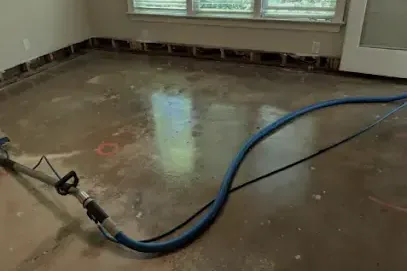
First steps for water extraction and removal
A few minutes of the right moves protect the structure and the claim before the equipment arrives.
- Stop the source. Turn off the fixture valve or the main shutoff so water stops spreading across the floor.
- Keep power off. Leave wet outlets and low appliances switched off until the floor is checked.
- Take photos. Capture the wet floor, baseboards and belongings before extraction starts.
- Move small items. Lift rugs, boxes and electronics out of the water, but leave pad and baseboards alone.
How water extraction and removal is handled
Extraction is the first physical step after a leak or overflow. In apartments, where 3,170 local homes sit in buildings of 50 or more units, water often crosses into neighboring suites, so removal moves quickly and is documented unit by unit.
Rapid local response
24/7 dispatch treats active water as urgent at any hour, weekends and holidays included.
IICRC S500 drying standard
Structural drying, not surface drying: air movers and LGR dehumidifiers sized to the class of loss.
Claim-ready documentation
Moisture maps, daily psychrometric logs and timestamped photos taken before anything is removed.
Slab-home know-how
Copper under the slab, garage water heaters, attic air handlers and two-story bathrooms lead the local list.
What does water extraction and removal cost in Bellflower, CA?
One room usually runs $900 to $2,200, and the total climbs with the number of wet rooms, how long the water sat and whether it is gray or black.
Single room
- Carpet and pad pulled
- Dehumidifier and air movers
- Daily moisture checks
Several rooms
- Truck-mounted extractor
- Baseboards removed, walls dried
- Containment where needed
Whole floor or gray water
- Pad replaced
- Surfaces treated with antimicrobial
- Longer monitoring
Ranges are typical, not a quote: water category, square footage, material class and how fast drying started move the number most. Run the water damage cost calculator for a closer range. Coverage depends on your policy, so check with your own insurer.
The water extraction and removal process, step by step
The tech who does the walkthrough maps moisture before any equipment goes down, and the equipment stays until the readings say dry.
Survey the floor
A moisture meter finds where water traveled beyond the visible wet area.
Pull the water
Extractors work across carpet, pad and hard floors until no standing water remains.
Remove what cannot dry
Saturated pad and swollen baseboards come out so the floor can dry.
Hand off to drying
Equipment goes in and the readings log starts.
What to know about water extraction and removal
What the extraction crew removes
- Standing water from carpet, concrete and hard floors
- Soaked pad that cannot be dried in place
- Water trapped under laminate and baseboards
- Wet debris and ruined contents that block the floor
Water that has stood only briefly can often stay in place, while pad and drywall that stayed saturated for long are usually removed.
Apartments and rented homes
With 14,866 renter-occupied homes in the city, an extraction call often involves a tenant, a landlord and sometimes a downstairs neighbor. The crew photographs each affected unit and writes down the water source, so a manager or adjuster can sort out who handles which repair.
After the water is out
Extraction is only the first stage. Once standing water is gone, the walls, floor edges and subfloor still hold moisture, so the team sets air movers and dehumidifiers and moves into structural drying with daily readings.
Water categories decide the next move
Clean water from a supply pipe is treated differently from gray water out of a washer or black water from a sewer, which is why the first reading includes the source. Anything with sewage moves to sewage backup cleanup instead.
Water extraction and removal coverage around Bellflower
The extraction crew works through the city's apartment buildings, single-family streets and shops, from Downtown Bellflower and Somerset to the Pacific Electric corridor, in both ZIP codes, 90706 and 90707.
The same service nearby: water extraction and removal in Cerritos, Paramount, Norwalk.
Water Extraction and Removal questions in Bellflower, CA
Water still moving?
Shut the water off at the main if it is safe, stay clear of wet outlets, and take photos before anything moves.
(888) 563-9619 Request water extractionCan wet carpet be saved after extraction?
Clean water that is pulled up quickly often leaves carpet salvageable, though the pad beneath it is normally replaced. After gray or black water, or after several days of soaking, carpet and pad both go.
Is a wet vacuum enough for a flooded room?
A household wet vac handles a puddle, but it leaves water in pad, subfloor and wall bottoms. Extractors pull far more, and meters confirm what is still wet.
How do apartments change the extraction work?
Water often travels to the unit below or beside, so the crew checks neighboring walls and ceilings and keeps separate photos for each unit, which helps the manager and each insurer.
What happens right after extraction?
Drying equipment goes in, baseboards may come off, and readings are logged daily until walls, floor edges and subfloor reach their dry goals.
Should I move furniture before the crew starts?
Light items can be lifted onto dry surfaces, but heavy furniture is better left for the crew, who block wet legs and protect the pad and floor.
Get the standing water out of the building
Extraction starts with the details shared about the source, the rooms and the building, then moves straight into drying and written readings.
(888) 563-9619Request extraction now