Water Damage Restoration La Habra, CA
Burst pipes, water heater failures, sewage backups and storm runoff all reach La Habra homes, and the drying team removes the water and logs every reading until the structure is dry.
(888) 563-9619Report the water, start the dryingCrews work with documented readings, moisture photos and itemized scope notes so an insurance adjuster can follow what was wet, what was removed and when it dried.
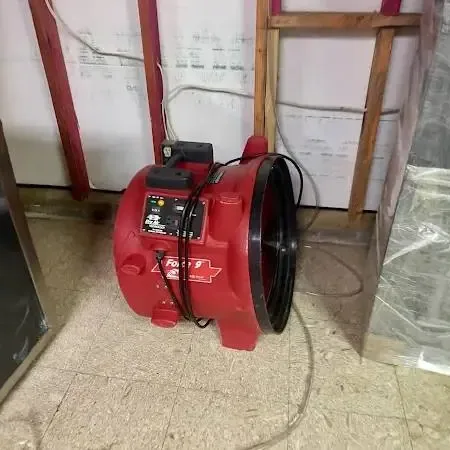
Drying done by the numbers, not by guesswork
Every job starts with moisture mapping and ends with dry readings, so a homeowner, landlord or adjuster can see exactly where the water went and when it left.
Rapid local response
Crews know the street grid from Whittier Boulevard to Imperial Highway and the mix of older houses and apartment buildings they will walk into.
Equipment matched to class
Air movers, dehumidifiers and extraction tools are chosen from the measured wet area and the material, not from a fixed kit loaded on every truck.
Claim-ready documentation
Photos before demolition, daily readings and a written scope give an insurance adjuster the proof that a water claim usually depends on.
Local water know-how
Aging pipe, shared walls, untreated storm drains and mud after heavy rain each leave a different problem, and the drying plan changes with each one.
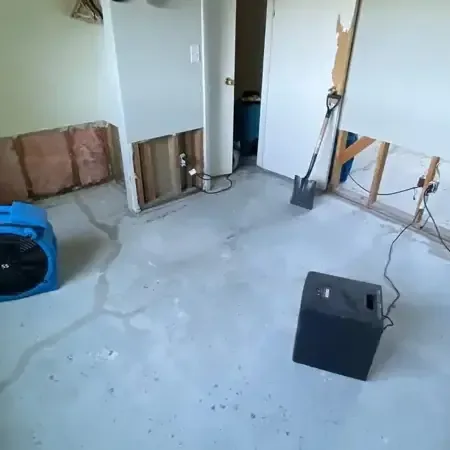
Water services for homes and businesses here
Twelve kinds of water loss reach homes and businesses here, each handled with its own method, equipment and drying targets.
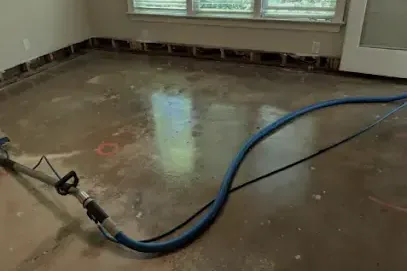 01Water Extraction and RemovalTruck mounted and portable extractors pull standing water from carpet, pad and hard floors before it wicks into walls.Service details
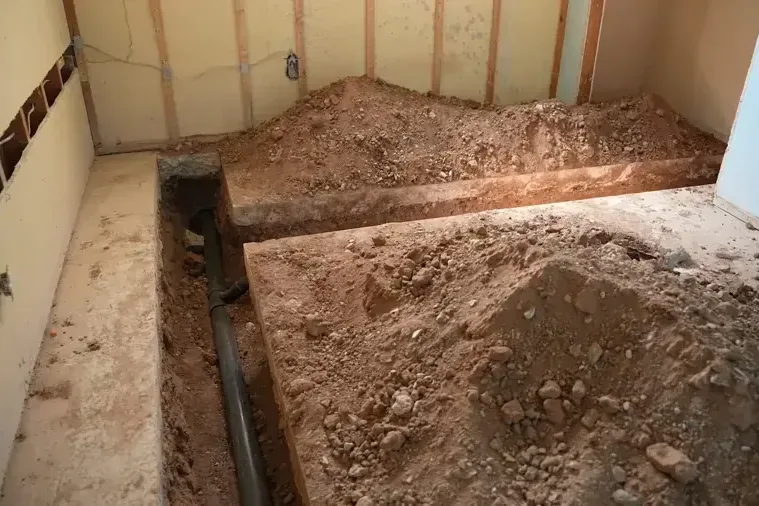 02Slab Leak Water DamageA hidden supply pipe leak under the floor is traced, wet flooring is opened and the structure is dried with logged readings.Service details
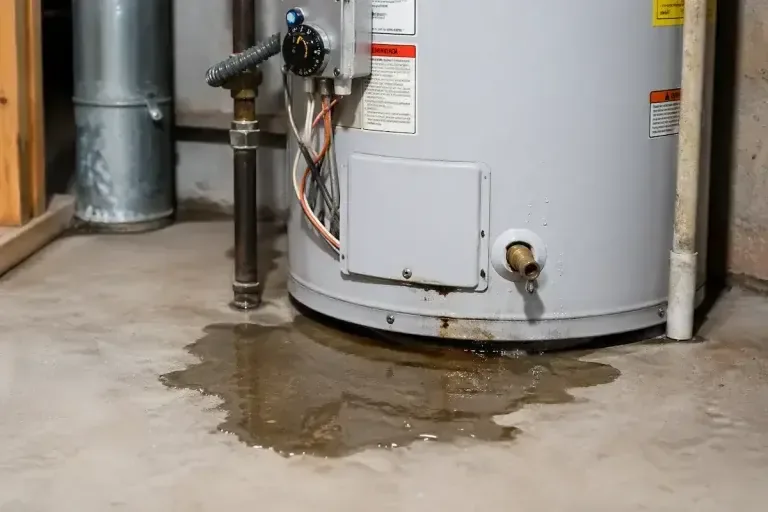 03Water Heater Leak CleanupA failed tank floods the closet and garage, so the crew extracts, opens wet wall bases and dries shared walls.Service details
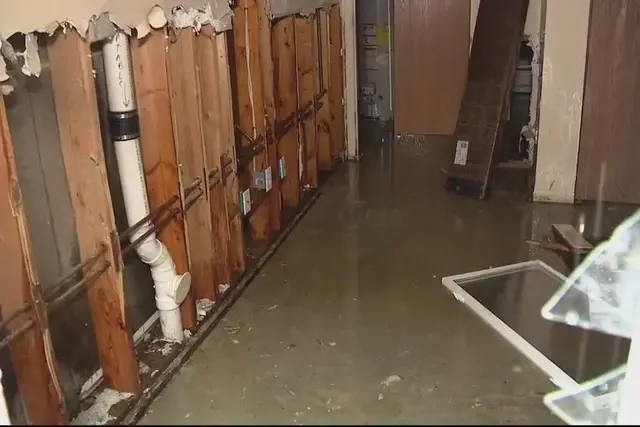 04Burst and Pinhole Pipe LeaksBurst and pinhole pipe leaks are found with thermal imaging, then wet drywall and insulation come out and the cavity dries.Service details
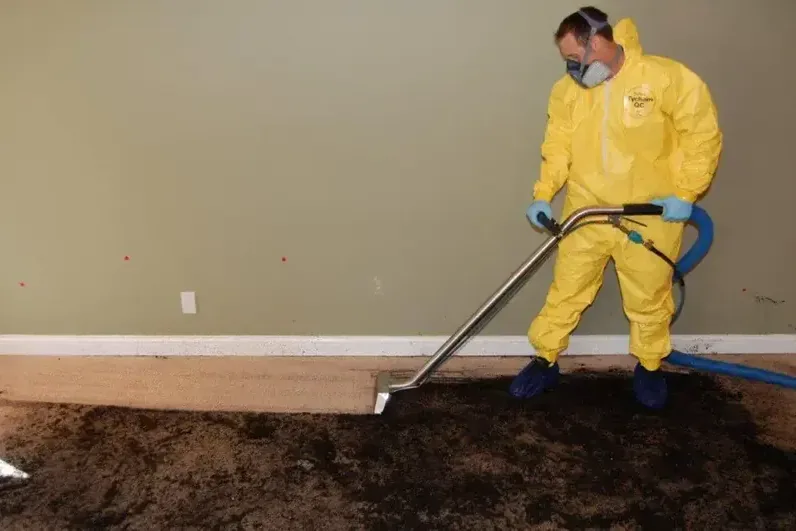 05Sewage Backup CleanupContaminated water is contained, removed and disinfected under protective gear, and porous materials are discarded before rebuilding starts.Service details
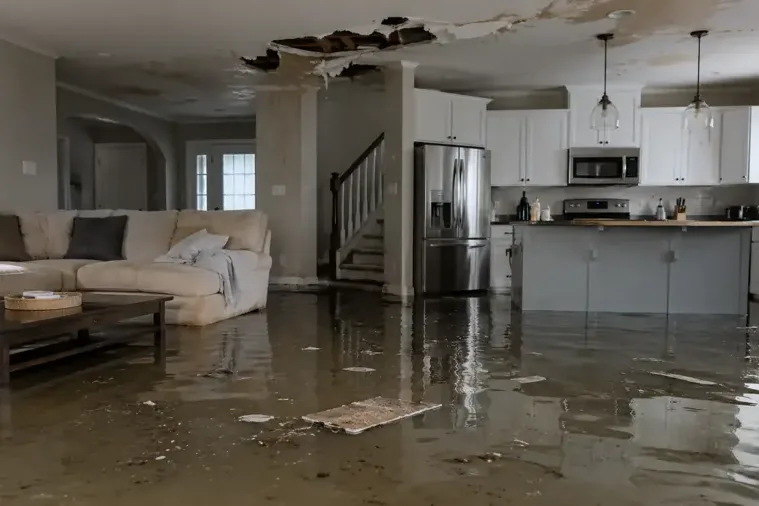 06Storm and Flash Flood CleanupRunoff and flash flooding push muddy, contaminated water into garages and living areas that need extraction, cleaning and drying.Service details
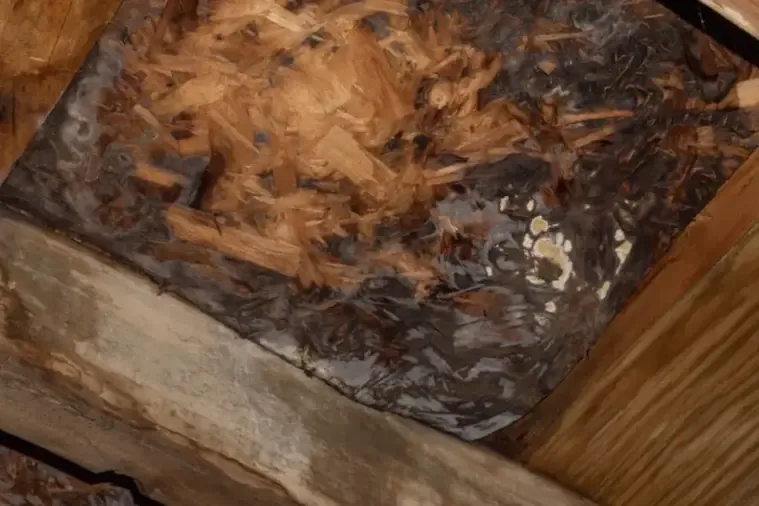 07Roof Leak Water DamageWater through a failed roof covering soaks insulation and ceilings, so attic, drywall and framing are checked and dried.Service details
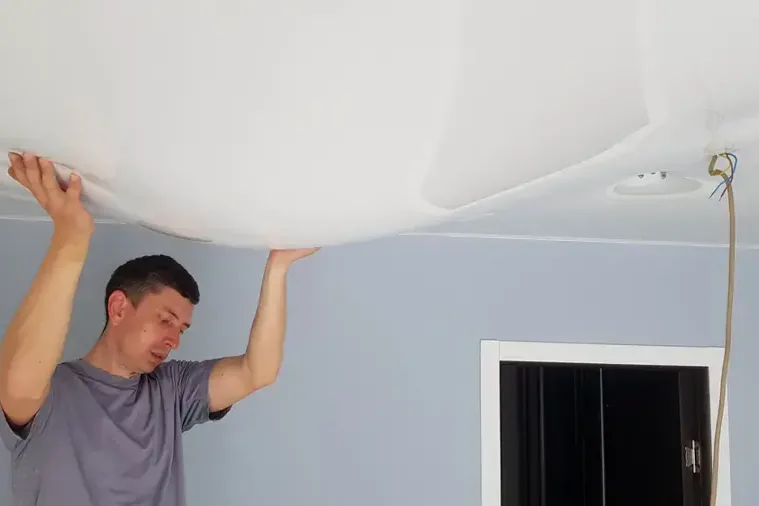 08Ceiling Leak Water DamageLeaks from a roof, a pipe or the unit above are traced, the wet drywall is opened and the joist bays are dried.Service details
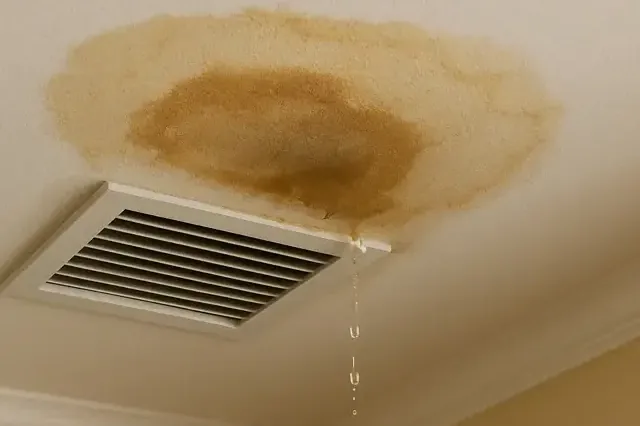 09AC Condensate Leak Water DamageA clogged condensate drain overflows into a closet, ceiling or wall, so wet insulation and drywall come out and dry.Service details
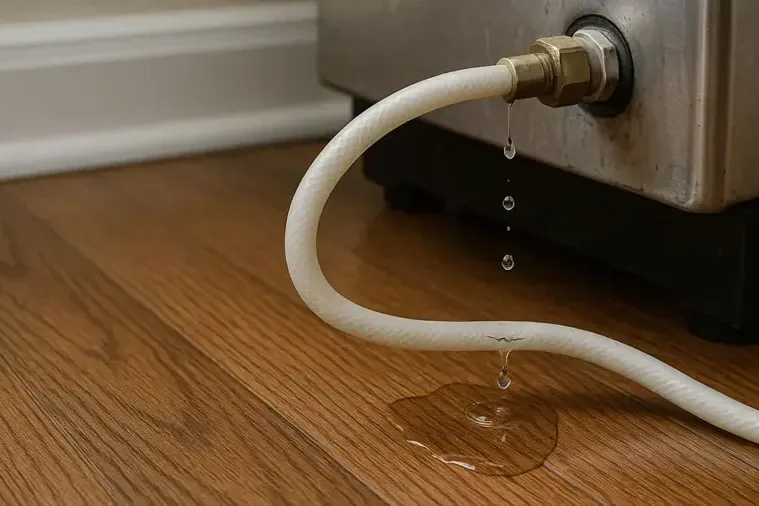 10Appliance and Supply Hose LeaksWasher, dishwasher, ice maker and supply hose leaks are extracted, then cabinet bases, flooring and walls are dried.Service details
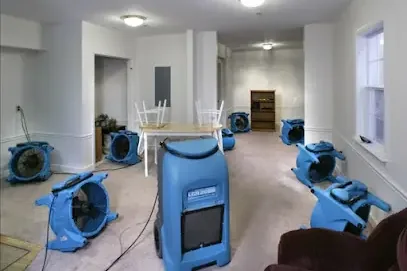 11Structural Drying and DehumidificationAir movers, dehumidifiers and desiccant units are set from the measured wet class, with readings logged until materials reach target.Service details
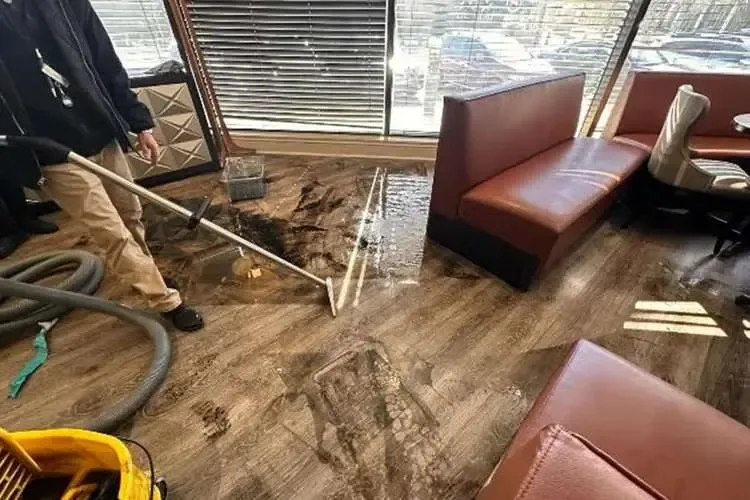 12Commercial Water DamageStores, restaurants and offices get zoned containment, phased drying and a schedule built around operating hours.Service details
What to do while the water is still moving
- Stop the source. Close the fixture shutoff, or the main valve at the meter if a supply pipe let go, and cut power to wet areas only if reaching the panel is safe.
- Protect people first. Keep children and pets out of the water and stay clear of sagging ceilings and outlets that sit in standing water.
- Photograph everything. Take photos and video of the wet area, the damaged belongings and the source before anything is moved or thrown out.
- Lift what you can. Move small furniture, rugs and electronics to dry ground and set foil or blocks under heavy pieces that stay.
- Call for extraction. Early extraction keeps water from wicking into walls and subfloors, and it shortens drying and the final bill.
Dry to a number, not to a feeling
The drying team follows IICRC S500 practice: map the moisture, remove the water, run equipment matched to the class of loss and keep logging until each material reads dry.
Walk and map
A moisture meter and thermal camera trace the wet boundary room by room, and the results go onto a simple sketch of the floor plan.
Pull the water
Extractors take out standing water and wring carpet and pad, because removing liquid is far faster than evaporating it.
Dry and log
Air movers, dehumidifiers or desiccant units run on a plan fitted to the materials, and readings are logged on every visit.
Prove it dry
Final readings are compared with dry standards for the same materials, and equipment leaves only when every tracked point passes.
Three kinds of water, three different protocols
Clean water
Broken supply pipes and failed fittings start out clean, though the water degrades fast when wet materials stay damp.
Pipe and fitting failuresGray water
Washer and dishwasher overflows carry soap, food and bacteria, so porous materials are usually removed instead of saved.
Appliance and hose leaksBlack water
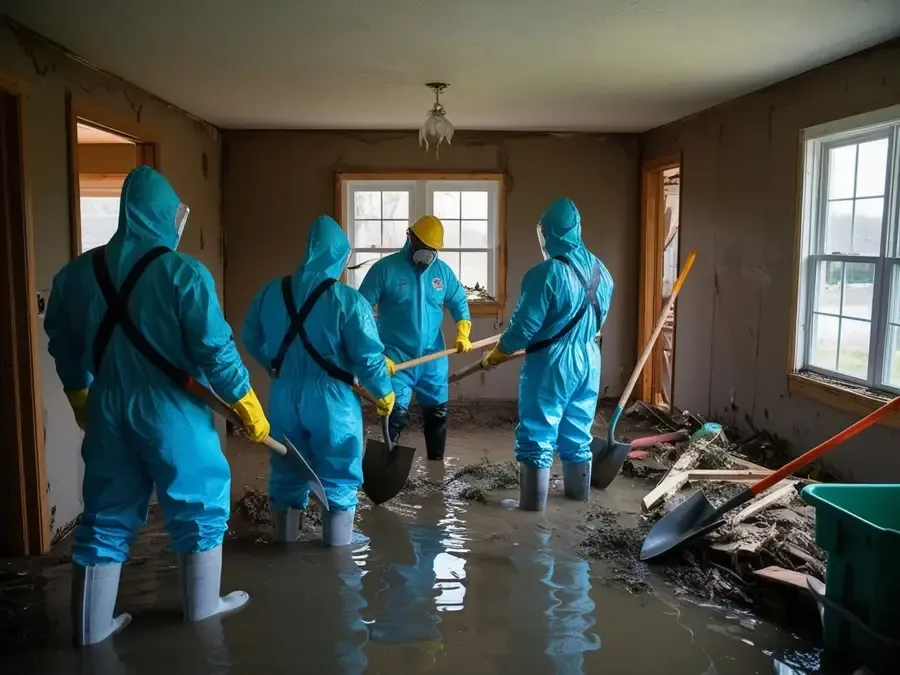
Sewage and storm flooding bring harmful bacteria, so the work needs containment, protective gear and removal of touched porous materials.
Sewage backup cleanupWhat water damage restoration costs for a typical home
Cost follows the number of wet rooms, the water category and how long materials stayed wet, and the three tiers below show where typical jobs fall.
One room, caught early
- Extraction and drying
- Moisture mapping and thermal scan
- Readings logged daily
Several rooms or wet flooring
- Wet flooring lifted
- Pad and baseboards removed
- Dehumidifiers running daily
Whole floor or contaminated water
- Containment where needed
- Contents moved or cleaned
- Extended monitoring
Final pricing comes after a walkthrough, and the written scope lists what is removed, what is dried and what an insurance claim may need to show.
Documentation that supports your claim
Adjusters decide from paperwork, so the team records the source, the affected materials and each drying reading in a format a carrier can check.
- Photos of the source and damage before demolition
- Moisture readings and equipment logs for every visit
- A written scope listing each removed material
- Itemized notes on contents moved, cleaned or discarded
- Final dry readings recorded for the adjuster
If you file the claim yourself
Report the loss to the carrier early, describe it plainly and keep damaged items until the adjuster has seen or photographed them, because tossing things too soon can weaken a claim.
Keep receipts for emergency repairs and hotel stays, and ask the adjuster in writing which of those costs the policy covers.
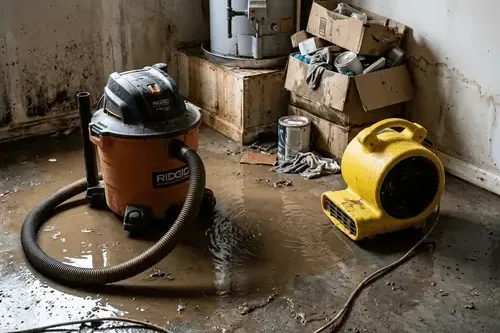
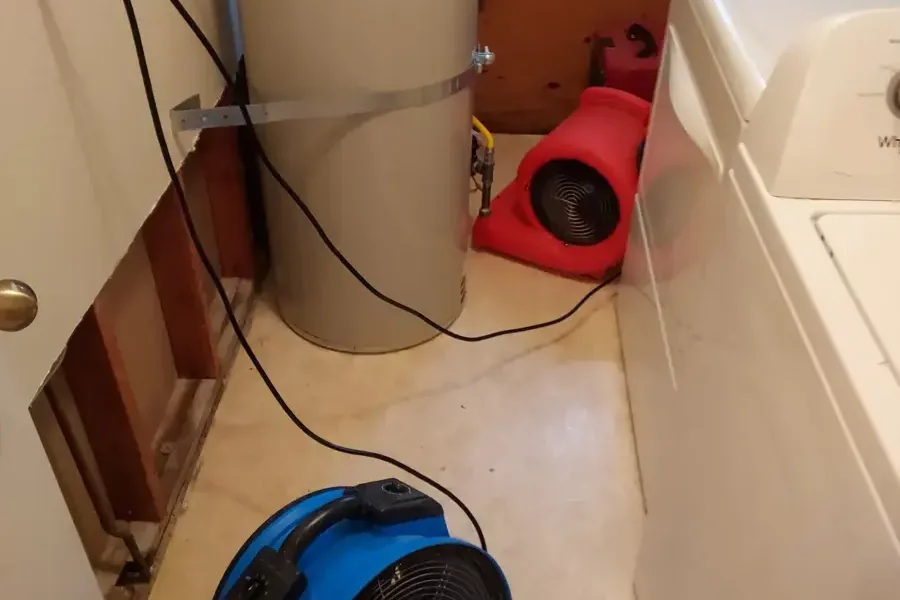
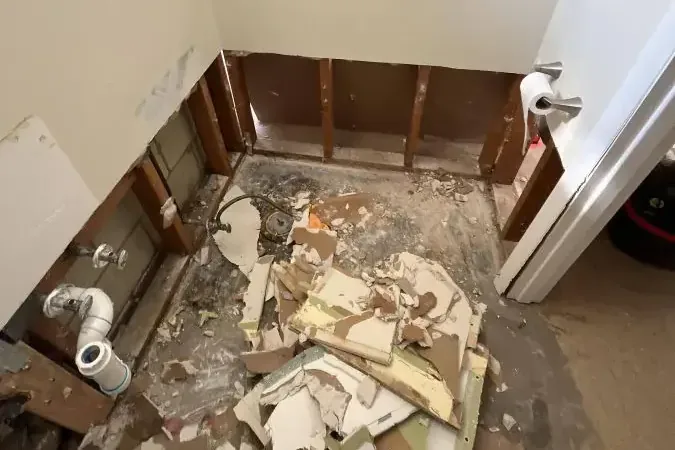
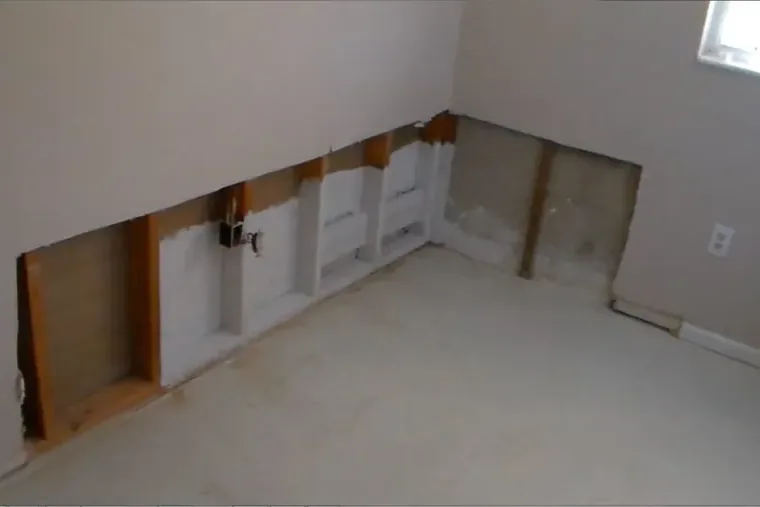
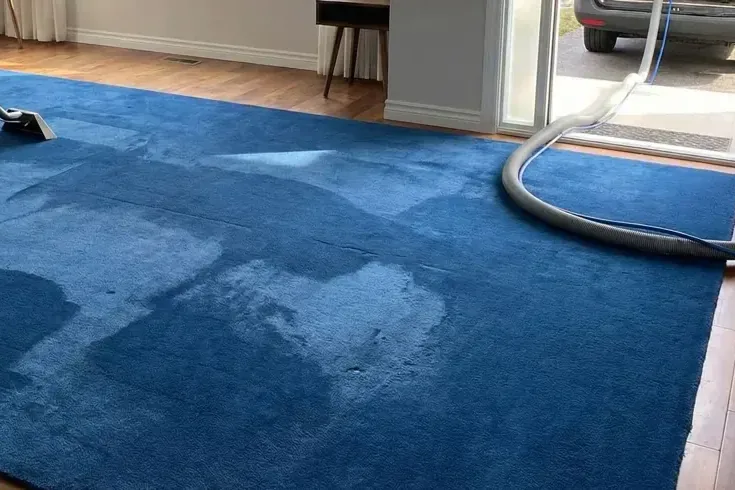
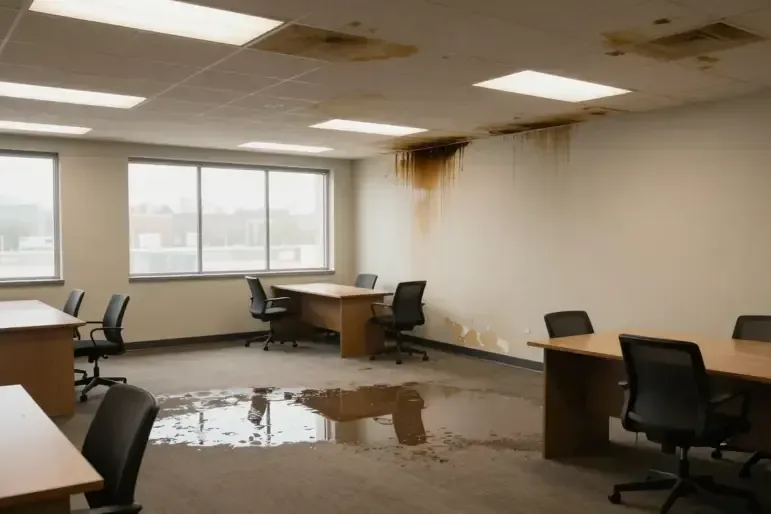
What water damage work looks like in practice
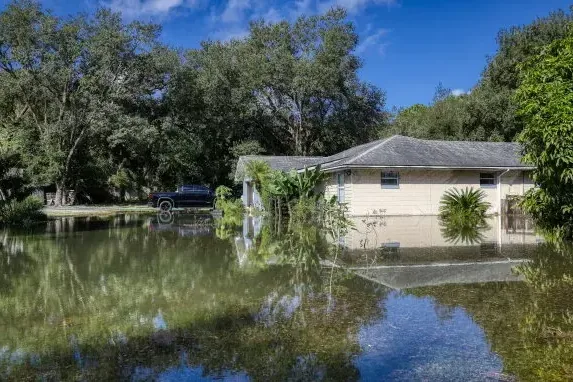
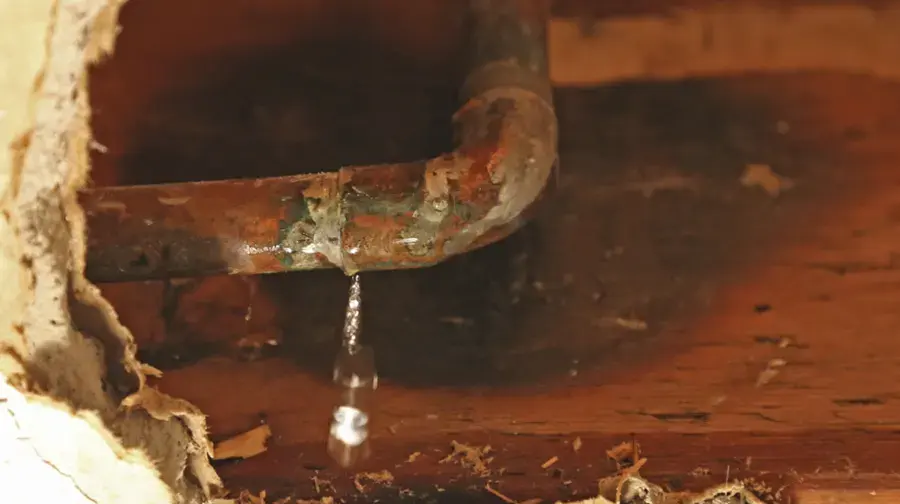
Where the crews work in La Habra
ZIP codes
Neighborhoods and corridors
Nearby cities
Water in the house or shop? Report it now
Describe the loss, the rooms involved and whether the water is clean or contaminated, and the team plans crew and equipment around that picture.
Photos of the wet areas and the damaged materials help the team build the scope more accurately.
La Habra, CA · [email protected]
What shapes water damage in La Habra
La Habra has 21,225 housing units, a median build year of 1968 and storm drains that carry runoff to Coyote Creek, so leaks come from aging pipe, shared walls and heavy rain alike.
October 2025: Storm rain of more than an inch and a half sent mud and water into backyards behind Wilshire Avenue, KTLA reported.
Mid century housing
The median home was built in 1968 and 6,012 homes date from 1950 to 1959, so supply pipes, drains and water heaters are often decades old.
Water main history
Documented main breaks include an 8-inch main in December 1993 and an old 6-inch main on Honeywood Lane in May 2016 that left 30 homes dry.
Shared walls and floors
With 1,810 units in buildings of 50 or more and thousands more in smaller multi unit buildings, a leak upstairs often reaches the neighbor below.
Storm runoff and sinkholes
Storm drains are untreated and feed Coyote Creek, and the January 2019 collapse of the Coyote Village storm channel shows how heavy rain stresses drainage.
Backyard mud after storms
Residents behind Wilshire Avenue told KTLA the mud returns whenever it rains, and those causes are resident statements, not a city finding.
La Habra water damage questions answered
Water damage right now?
Describe what happened and where the water is, and the restoration team will explain the first steps and how the drying will run.
(888) 563-9619 Request help with water damageHow fast does water damage turn into a bigger problem?
Within a day or two, wet drywall, carpet pad and insulation start to degrade and mold can begin to grow, so extraction and drying should start as soon as the source is stopped.
Does the city handle water damage inside my home?
The City of La Habra Water / Sewer Division maintains the city water and sewer system and addresses sewer blockages, while damage inside a building is for a restoration crew and the owner's insurance.
Do repairs after water damage need a permit?
The city permit page lists new plumbing and fixtures and HVAC equipment replacement as permitted work and says flooring and painting do not need one, though that page is written for business projects, so confirm with Building and Safety.
Can storm mud be cleaned like clean water?
No. Storm runoff and mud carry contamination from streets and yards, so affected porous materials are removed and hard surfaces are cleaned and treated before drying.
What should renters do after a leak?
Renters live in 8,566 of the 20,538 occupied homes here, so tenants should report a leak to the landlord in writing, photograph the damage and ask about coverage for belongings.
Why do upstairs leaks reach other units?
Water follows gravity through floors, ceiling cavities and pipe chases, and with 1,810 units in buildings of 50 or more, one failed fixture can wet several homes.
Can an air conditioner cause water damage?
Yes. In a hot summer climate air conditioners run hard, and a clogged condensate drain can overflow into a closet, ceiling or wall until someone notices the stain, as covered under AC condensate leak water damage.
How long does drying take?
Drying time depends on the materials, the water category and how long they sat wet, and the equipment stays until daily readings match dry standards for each material.
Does a sewage backup need special cleanup?
Yes. Sewage carries bacteria, so the area is contained, protective gear is worn, porous materials are discarded and surfaces are cleaned and treated before drying begins, as described under sewage backup cleanup.
Can a business stay open during drying?
Often. Containment by zone, phased drying and after hours work let shops, restaurants and offices keep operating while wet ceilings, carpet tile and drywall are handled.
Water in the house or shop? Get it dried properly
Describe the loss, share photos if you have them, and the restoration team will outline next steps.
(888) 563-9619Book a damage walkthrough