Storm and Flash Flood Cleanup in La Habra, CA
Storm runoff carries mud and contamination into garages and living rooms, and the La Habra cleanup crew extracts the water, removes what cannot be saved, then dries and treats the whole structure.
(888) 563-9619Report storm water in the house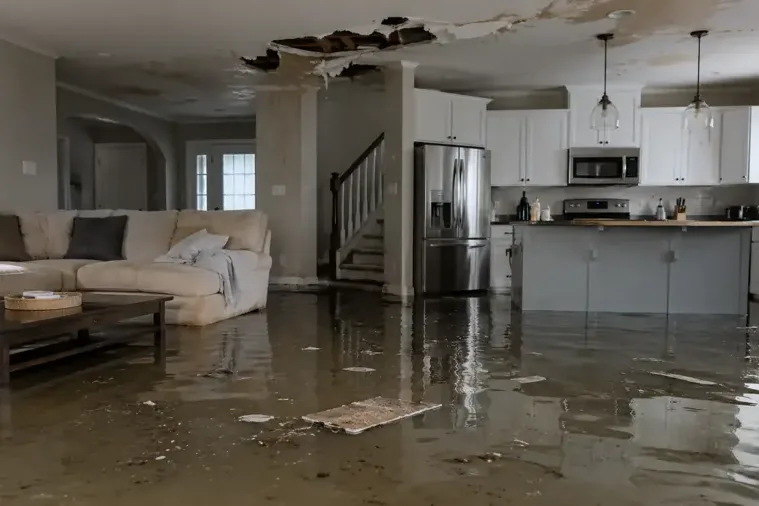
First steps for storm and flash flood cleanup
A few minutes of the right moves protect the structure and the claim before the equipment arrives.
- Stay out of the water. Floodwater can hide debris and electrical hazards, so keep people and pets away until it is cleared.
- Protect the electrical system. Do not use outlets or appliances that stood in water, and have the power checked before restoring it.
- Photograph the flood. Document high water marks, damaged belongings and mud before anything is moved.
- Divert what you safely can. Blocking a door gap or moving sandbags can limit more runoff, but only if it can be done safely.
How storm and flash flood cleanup is handled
Floodwater and mud from a storm are not clean water, even when the rain looked harmless. Runoff collects street debris, soil and waste on its way in, so the cleanup starts with extraction and moves straight to removal and treatment.
Rapid local response
24/7 dispatch treats active water as urgent at any hour, weekends and holidays included.
IICRC S500 drying standard
Structural drying, not surface drying: air movers and LGR dehumidifiers sized to the class of loss.
Claim-ready documentation
Moisture maps, daily psychrometric logs and timestamped photos taken before anything is removed.
Slab-home know-how
Copper under the slab, garage water heaters, attic air handlers and two-story bathrooms lead the local list.
What does storm and flash flood cleanup cost in La Habra, CA?
Storm losses cost more than clean leaks because the water is contaminated, and the ranges below climb from a garage only to a garage and a room, then to several rooms of the home.
Garage only
- Slab extraction
- Shared wall flood cut
- Antimicrobial and drying
Garage and one room
- Carpet and pad removed
- Flood cuts, insulation out
- LGR drying
Several rooms
- Containment
- Contents removal or cleaning
- Extended monitoring
Ranges are typical, not a quote: water category, square footage, material class and how fast drying started move the number most. Run the water damage cost calculator for a closer range. Coverage depends on your policy, so check with your own insurer.
The storm and flash flood cleanup process, step by step
The tech who does the walkthrough maps moisture before any equipment goes down, and the equipment stays until the readings say dry.
Extract the water
Pumps and extractors clear the muddy water from the garage and floors.
Remove and clean
Contaminated porous materials come out, and silt is cleared from hard surfaces.
Treat the surfaces
An antimicrobial goes on floors, framing and wall bottoms that stay.
Dry and confirm
Dehumidifiers and air movers run until readings reach dry standard.
What to know about storm and flash flood cleanup
Why storm water is different
All of the city's rain runoff goes into storm drains that are not treated or filtered and end at Coyote Creek, so the water that reaches a property can carry whatever it crossed. Carpet, pad, insulation and drywall that soaked it are usually removed.
Local storm history
- February 1996: a storm flooded several areas in east La Habra, and officials ordered a voluntary evacuation of four houses and a seven unit apartment complex
- January 2019: heavy storms collapsed the private Coyote Village storm channel and opened a sinkhole 100 feet long between two rows of homes
- August 2024: a groundbreaking for permanent repair of that channel took place
- October 2025: storm rain sent mud and water into backyards behind Wilshire Avenue, according to KTLA
Each property is judged by what the water actually did.
What the cleanup includes
The crew extracts muddy water, clears silt, removes contaminated carpet, pad and wet lower drywall, then treats surfaces with an antimicrobial and sets drying equipment. Garage slabs and shared walls are checked with meters, and water extraction covers the first pass. Backed up drains follow sewage backup cleanup.
Storm and flash flood cleanup coverage around La Habra
Storm cleanup covers La Habra from the east side, where flooding was reported in 1996, to the Coyote Village area and the backyards near Wilshire Avenue, Beach Boulevard and Lambert Road.
The same service nearby: storm and flash flood cleanup in Cerritos, Norwalk, Bellflower.
Storm and Flash Flood Cleanup questions in La Habra, CA
Water still moving?
Shut the water off at the main if it is safe, stay clear of wet outlets, and take photos before anything moves.
(888) 563-9619 Report storm water in the houseIs storm water considered clean?
No. Runoff and flash flood water carry soil, debris and contaminants from streets and yards, so it is treated as contaminated and porous materials are removed.
Can I let the mud dry out?
Dried mud leaves silt and bacteria behind and hides moisture in carpet and walls, so it should be cleaned and treated rather than left to dry.
Does homeowners insurance cover storm flooding?
Flood from rising water is often excluded from standard homeowners policies, while water from a failed roof or pipe may be covered. The policy and the adjuster decide.
What caused the mud behind Wilshire Avenue in October 2025?
Residents told KTLA the mud returns whenever it rains, and those causes are resident statements, not a city finding, so cleanup focuses on what the water actually left.
Do storm losses need early action?
Yes, because wet carpet and drywall start to break down and mold can begin to grow, so extraction and removal should happen early.
Are garages treated differently from living areas?
Garage slabs are extracted and cleaned, and the wall shared with the house is checked and opened if readings show moisture, to keep water from reaching the living space.
Storm water leaves more than water behind
Describe the water, the mud and the rooms touched, and the cleanup crew will lay out removal, treatment and drying for the property.
(888) 563-9619Plan the storm cleanup