Bellflower is a city of renters. Of its 24,534 occupied homes, 14,866 are renter occupied, and 3,170 homes sit in buildings of 50 or more units. When a pipe, a water heater or a washer hose fails in one apartment, the water rarely stays in that unit, and the first steps decide how many households are affected.
Key takeaways
- Renters should report a leak to the landlord or property manager in writing and photograph the damage at once.
- In a multi unit building water travels through floors, ceilings and shared walls, so one leak can reach several households.
- Landlords need to stop the source, then extract the water and dry the structure, instead of waiting for a decision about the cause.
- Neighbors below should be told early so their ceilings, light fixtures and belongings are checked.
- Keep photos, messages and receipts in one place so the facts are clear later.
Why one apartment leak becomes many
The city has about 1,732 homes in buildings of 10 to 19 units, 2,097 in buildings of 20 to 49 units and 3,170 in buildings of 50 or more. In those buildings, floors and ceilings are shared, and so are the wall cavities that carry pipes.
Housing age adds to the picture. The median Bellflower home was built in 1966, and 18,875 of the 26,173 housing units predate 1980, so a good share of the plumbing has decades of service behind it.
A leak in one of the 11,902 detached single family homes tends to stay in one household. In an apartment building it can cross several.
- Water runs down through the floor and into the ceiling of the unit below.
- It follows the wall cavity between units and shows up far from the source.
- It can collect in a light fixture or a vent opening before it drips.
What a renter does first
A tenant can limit the damage with a few simple steps, and the notes taken now settle questions later.
- Close the shutoff valve at the fixture that is leaking. For a toilet, tub or sink, that valve is usually under or beside it.
- If the water keeps flowing, close the main shutoff for the unit, or ask the landlord or the building manager to close it.
- Photograph the source, the wet floor and any stains, then move belongings out of the wet area.
- Send the landlord or property manager a text or an email, so the report is dated.
- Keep receipts for anything bought or paid because of the leak.
What a landlord or property manager does
The owner of the building controls the pipes, the walls and access to the other units, so the response has to move quickly from one unit to the next.
- Shut off the water to the affected unit or riser, and call a plumber to stop the source.
- Knock on the doors below and beside the leak to check for water in ceilings and walls.
- Call the restoration team to extract the water and measure how far it traveled.
- Record the unit numbers, dates and photos in one file, and tell the insurance company early.
Who pays is a separate question
The lease and the cause of the leak decide who is responsible, and that conversation can take time. The water cannot wait for it.
Wet drywall, padding and framing begin to break down in a day or two, so extraction and drying come first, with the cost discussion following.
A leak that starts inside the unit
An overflowing tub, a failed washer hose or a leaking dishwasher usually begins and ends inside one unit before it reaches the next. Tenant and landlord both need the photos.
A leak from the building itself
A supply pipe in a wall, a failed water heater or a roof leak starts outside the tenant's control. The landlord arranges the repair and the drying, and affected tenants are kept informed.
How water reaches the unit below, and how it is dried
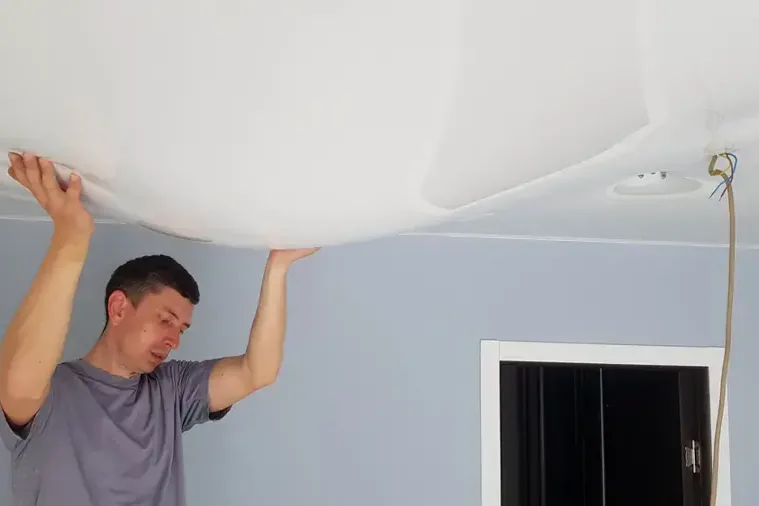
A leak above a ceiling first appears as a brown stain, then a bulge, then a sag. A bulging ceiling holds water, and it is often opened with a small cut so the water drains in a controlled way instead of falling all at once.
If water is collecting in a light fixture, the circuit should be turned off before anyone touches the switch. The crew then dries the cavity above the ceiling and the wall bottoms below the leak with air movers and dehumidifiers, a process described under ceiling leak water damage.
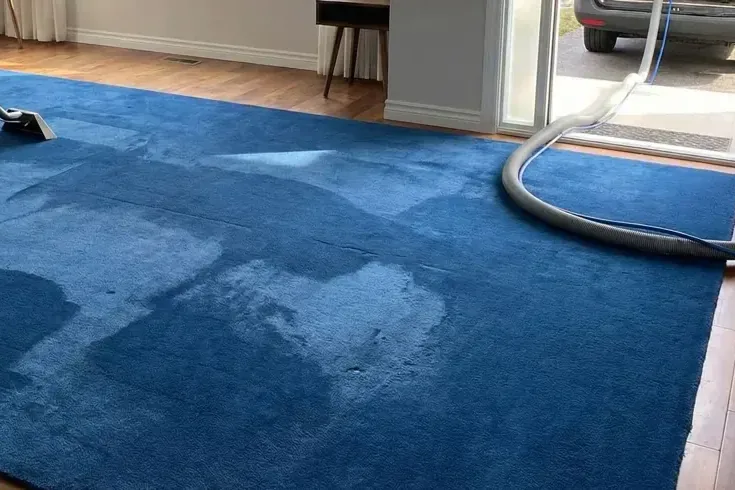
Standing water on floors goes through water extraction, and carpet and pad are checked for removal.
What to write down while it is fresh
A short record made on the day of the leak is more useful than a long one reconstructed weeks later.
- The date, the time the leak was noticed and where it was seen first.
- What was shut off, who was told and when each message was sent.
- Which neighboring units were checked and what was found.
- A list of damaged belongings with photos, and the receipts for any replacement or temporary costs.
Keeping a multi household loss under control
A water loss in a large building involves several tenants who did not cause it. A little coordination helps.
For other kinds of water loss, see water damage restoration for local homes, or read about ceiling leak restoration more broadly.
- Give the restoration team access to the units above and below the leak, since the wet area rarely follows unit boundaries.
- Tell residents that equipment will run for a few days, and explain which rooms will be limited.
- Move furniture and valuables away from open walls, and store them in a dry room.
Questions
Who is responsible for fixing a leak in an apartment?
It depends on the cause and on the lease. Either way, the water should be stopped and the structure dried first, since waiting makes the damage larger and the later conversation harder.
Should a tenant move belongings out of the apartment?
Belongings in the wet area should be moved to a dry room or lifted off the floor. Moving everything out is rarely needed, but photographs of the damaged items come first.
What if the leak comes from the unit above?
Tell the landlord or property manager right away and photograph the ceiling and walls. The building owner can reach the unit above, which is where the source is.
Can a stained ceiling be saved?
A ceiling with a light stain and dry readings can sometimes be dried in place. One that sags or holds water is opened so the water can drain and the cavity can dry.
Can a unit that looks dry still be wet?
Yes. Water can sit inside a wall cavity or under flooring with no stain on the surface. A moisture meter shows what the eye misses, which is why the units beside and below a leak are checked.
Do tenants have to leave during drying?
Often not, but rooms with open walls or removed flooring can be hard to use. The plan depends on how much of the apartment is affected.