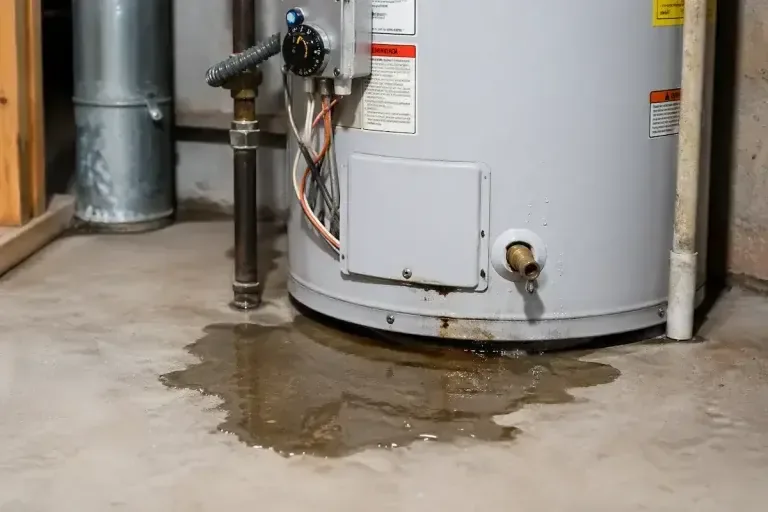
In Paramount, 8,338 of the 14,618 occupied homes are rented, so a large share of the city's tank water heaters sit in apartments, duplexes and rented houses. When one of those tanks lets go, the water does not stop at the closet door. In a building with several units it can pass through the floor into the home below.
Key takeaways
- Close the cold water valve at the top of the tank, then turn off the electric breaker or set the gas control to off, if that is safe.
- Renters should tell the landlord or manager in writing right away, since the landlord controls the building's main valves and repairs.
- Water from a tank starts out clean, but it soaks insulation, drywall and flooring fast and can turn contaminated if the materials stay wet.
- Where the tank sits, in a closet, a hallway cabinet or a garage, decides where the water goes.
- The unit below should be checked for ceiling stains, sagging and wet walls even when the leaking unit looks fine.
Why rentals see so many tank leaks
Paramount has about 6,280 owner occupied homes against 8,338 renter occupied ones. Beyond the 6,245 detached single family homes, the housing includes about 273 units in 2 unit buildings, 1,054 in buildings of 3 or 4 units, 759 in 10 to 19 units, 1,340 in 20 to 49 units and 1,525 in buildings of 50 or more.
In a rental, the tank is often tucked into a closet or cabinet that nobody opens. A slow leak can go unnoticed until the floor is wet or the neighbor below knocks.
What a failing tank looks like
Most tanks give warning before they split, if someone looks.
- Water or a damp ring around the base of the tank.
- Rust streaks on the tank or rust colored water from the hot tap.
- Dripping from the relief valve or the pipes at the top of the tank.
- A swollen baseboard or a soft spot in the floor near the closet.
- A rumbling or popping sound while the tank heats.
Stopping the leak safely
The goal is to stop new water from entering the tank. Draining what is already inside is a plumber's job.
- Find the cold water valve on the pipe feeding the top of the tank and turn it clockwise to close it.
- Switch off the breaker for an electric tank, or set a gas control to off or pilot.
- Do not touch wet outlets, wiring or the tank itself while standing in water.
- If the valve will not close, ask the landlord or building manager to shut off the main for the unit or the building.
- Photograph the tank, the source of the leak and the wet floor.
Where the tank sits changes the damage
The same tank can cause very different losses, depending on the space around it.
A closet or hallway cabinet
Water runs into the baseboard, under the carpet and into the wall framing, then spreads into the rooms on either side. In a multi unit building it often finds the seam in the floor.
A garage or outside enclosure
Water spreads across the floor and toward the nearest door or drain. It reaches fewer finished materials, but boxes, cardboard and stored items near the floor are lost quickly.
A mobile home
Paramount has about 1,466 mobile homes, which are built differently from site built houses. Water can reach the floor system, so the area under and around the heater needs a careful moisture check.
When the water reaches the unit below
A leak in an upstairs unit often shows up first as a brown stain on a ceiling below. A stain can mean a sagging panel of drywall, so the area under it should be kept clear.
The crew cuts the ceiling open where water is trapped, dries the cavity and checks wall bottoms for moisture. This work is described under ceiling leak water damage.
Light fixtures in a wet ceiling should stay off until the crew or an electrician has checked them, and furniture should be moved out from under a stain.
Tell the neighbors and the manager early. A unit that looks dry can still have wet insulation above the ceiling.
Checking a tank before it fails
A short look once or twice a year can catch a tank that is on its way out. The check works for a tenant, an owner and a property manager alike.
Landlords with several units can fold the check into routine visits, and tenants can look whenever they pass the closet.
- Look for rust, water stains or a damp floor at the base of the tank.
- Keep the closet clear enough that the tank and its valves can be reached.
- Learn where the cold water shutoff and the breaker or gas control are before there is an emergency.
- Report a dripping relief valve or a rusted fitting to the manager instead of waiting.
Cleanup and drying after a tank leak
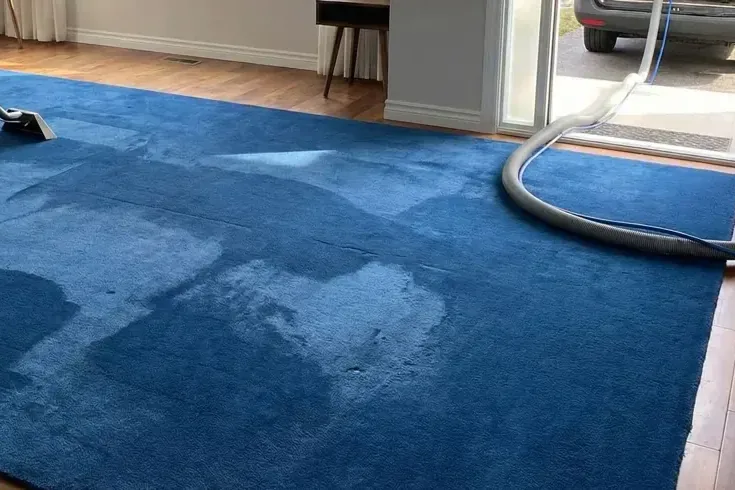
A restoration team starts by taking up any standing water, then checks the closet floor, the walls and the floor beyond the closet. The steps follow the same pattern used in water heater leak cleanup.
Wet carpet pad, soaked insulation and swollen baseboards are removed. Flooring that can be dried is dried in place, and the rest is lifted so the structure underneath can dry.
For other kinds of water loss, see water damage restoration for local homes, or read the broader water heater leak cleanup process.
- The plumber replaces a tank that leaks from the body, and repairs a fitting or valve that leaks from a connection.
- Air movers and dehumidifiers run until the moisture readings match a dry reference.
- The landlord receives a written record of the readings and the work performed.
Questions
Can a leaking water heater be repaired?
A leak from a fitting, a valve or a connection can often be repaired by a plumber. A leak from the body of the tank means the tank is worn out and is usually replaced.
Who calls the plumber, the tenant or the landlord?
The tenant reports the leak right away, and the landlord or manager arranges the plumber and the repair of building systems. The lease sets out the details.
Is the water from a water heater safe to touch?
It is clean water when it leaves the tank, but it can carry rust and sediment. If it soaks drywall or carpet and stays there, it can turn contaminated, so quick removal matters.
Can the unit below be dried without opening the ceiling?
Sometimes, if readings show the drywall is only slightly damp. A ceiling that sags or holds water is opened so the water can drain and the cavity can dry.
Should the tenant turn off the power to the tank?
Yes, at the breaker for an electric tank, if it can be reached without standing in water. For a gas tank, set the control to off and leave the rest to the plumber.